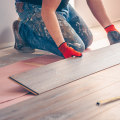
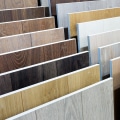
When it comes to selling a home, many homeowners focus on major renovations or curb appeal, often overlooking a crucial element that can significantly influence buyer perception: flooring. The type of flooring you choose not only affects the aesthetic appeal of your home but also plays a pivotal role in determining its overall market value. Buyers are increasingly discerning, and the right flooring can create an inviting atmosphere that enhances their emotional connection to the space.Flooring serves as the foundation of your home’s interior design, impacting everything from lighting to furniture arrangement. High-quality materials such as hardwood or luxury vinyl can elevate a room's appearance, making it feel more luxurious and well-maintained.
Conversely, outdated or damaged flooring can detract from a home's charm and lead potential buyers to question the property's overall condition. This is why understanding the importance of flooring in relation to resale value is essential for any homeowner looking to maximize their investment.Moreover, the choice of flooring can influence how quickly a home sells. Homes with modern, appealing flooring options tend to attract more interest and can command higher offers. Factors such as durability, maintenance requirements, and current design trends all play into how buyers perceive value.
For instance, eco-friendly materials are becoming increasingly popular among buyers who prioritize sustainability. Therefore, selecting the right flooring is not just about aesthetics; it’s about aligning with market demands and buyer preferences.In this guide, we will delve deeper into various flooring options and their respective impacts on resale value. By understanding how different types of flooring resonate with potential buyers, you can make informed decisions that enhance your home's marketability and ultimately lead to a successful sale.
Key Factors to Consider When Choosing Flooring
When it comes to selecting the right flooring for your home, several key factors can significantly influence your decision. Understanding these elements will not only help you choose a floor that meets your needs but also one that enhances the resale value of your property.- Durability: One of the foremost considerations is the durability of the flooring material.
High-traffic areas, such as living rooms and hallways, require flooring that can withstand wear and tear. Options like hardwood, laminate, and tile are known for their resilience. In contrast, softer materials like carpet may not hold up as well in busy households.
- Maintenance: The level of maintenance required is another critical factor. Some flooring types demand regular upkeep, while others are more forgiving.
For instance, tile and vinyl are relatively easy to clean and maintain, making them ideal for families with children or pets. On the other hand, hardwood floors may require periodic refinishing to keep them looking their best.
- Aesthetics: The visual appeal of your flooring can greatly impact the overall ambiance of your home. Consider how different materials complement your interior design style. For a modern look, sleek tiles or polished concrete might be suitable, while traditional homes may benefit from the warmth of hardwood or classic carpets.
- Cost: Budget constraints play a significant role in flooring selection.
While it’s tempting to opt for cheaper materials, investing in quality flooring can yield better returns when selling your home. Evaluate not just the initial cost but also the long-term value and potential resale price associated with different flooring options.
- Environmental Impact: Increasingly, homeowners are considering the environmental footprint of their flooring choices. Sustainable options like bamboo or reclaimed wood not only appeal to eco-conscious buyers but can also enhance your home's marketability.
Popular Flooring Options and Their Impact on Resale Value
When it comes to selecting flooring for your home, understanding the various options available and their potential impact on resale value is crucial.Different types of flooring not only affect the aesthetic appeal of your home but also play a significant role in how prospective buyers perceive its value. Below, we explore some of the most popular flooring options, highlighting their advantages and disadvantages, as well as their influence on resale value.
Hardwood Flooring
Hardwood flooring
is often regarded as one of the most desirable flooring options for homeowners. Its timeless appeal and durability make it a favorite among buyers. Here are some key points to consider:
- Pros: Hardwood floors can last for decades with proper care, and they can be refinished multiple times to restore their original beauty.
They also add warmth and character to a home, which can significantly enhance its marketability.
- Cons: The initial cost of hardwood flooring can be high, and it may not be suitable for areas prone to moisture, such as basements or bathrooms.
Tile Flooring
Tile flooring
, particularly ceramic and porcelain tiles, is another popular choice that appeals to many buyers. Its versatility allows it to be used in various settings, from kitchens to bathrooms.
- Pros: Tile is highly durable, water-resistant, and easy to clean, making it an excellent option for high-traffic areas. It also comes in a wide range of styles and colors, allowing homeowners to customize their spaces.
- Cons: Tile can be cold underfoot and may require grout maintenance over time. Additionally, the installation process can be labor-intensive and costly.
Carpet Flooring
Carpet flooring
offers a cozy feel that many homeowners appreciate.
It’s often used in bedrooms and living areas for added comfort.
- Pros: Carpets are relatively inexpensive compared to other flooring options and provide insulation against noise and temperature changes. They also come in various colors and textures.
- Cons: Carpets can stain easily and may harbor allergens if not maintained properly. They typically have a shorter lifespan than hardwood or tile.
Vinyl Flooring
Vinyl flooring
, including luxury vinyl planks (LVP), has gained popularity due to its affordability and versatility.
- Pros: Vinyl is water-resistant, easy to install, and available in numerous designs that mimic more expensive materials like wood or stone. It’s also softer underfoot compared to tile or hardwood.
- Cons: While vinyl can be durable, it may not last as long as hardwood or tile.
Additionally, lower-quality vinyl products can look cheap and detract from a home’s overall appeal.
The Role of Aesthetics in Flooring Choices
When it comes to flooring, aesthetics play a crucial role in not only the overall design of your home but also in its resale value. Buyers are often drawn to properties that reflect current trends and offer a visually appealing environment. Therefore, understanding the latest design trends and color choices in flooring can significantly enhance your home's marketability.Current Design Trends
- Natural Materials: There is a growing preference for flooring made from natural materials such as hardwood, bamboo, and stone.
These options not only provide durability but also add a touch of elegance and warmth to any space.
- Wide Planks: Wider planks are becoming increasingly popular, especially in hardwood flooring. They create a more spacious feel and can make rooms appear larger, which is appealing to potential buyers.
- Textured Finishes: Textured finishes, such as hand-scraped or distressed wood, add character and depth to flooring. These styles can evoke a sense of rustic charm or modern sophistication, depending on the overall design theme of the home.
Color Choices
The color of your flooring can dramatically influence the ambiance of your home. Neutral tones like grays, beiges, and whites are currently trending as they provide a versatile backdrop that complements various decor styles.
Here are some key points to consider:
- Light Colors: Light-colored floors can make spaces feel airy and open, which is particularly beneficial in smaller homes or rooms with limited natural light.
- Dark Tones: Darker floors can add sophistication and warmth but may require careful consideration regarding the overall lighting and color scheme of the room.
- Accent Colors: Incorporating accent colors through area rugs or furniture can create visual interest without overwhelming the space. This approach allows for flexibility in design while maintaining a cohesive look.
The Impact on Resale Value
Aesthetically pleasing flooring not only enhances your living experience but also plays a significant role in attracting potential buyers. Homes with well-chosen flooring options tend to sell faster and at higher prices. When selecting flooring, consider how it aligns with current trends while also reflecting your personal style.
Ultimately, investing in quality aesthetics will pay off when it comes time to sell your home.
Cost vs. Value: Making Smart Flooring Investments
When it comes to flooring, understanding the balance between cost and value is crucial for homeowners looking to maximize their investment. Flooring choices can significantly influence a home’s resale value, making it essential to evaluate which options provide the best return on investment (ROI).One of the first steps in making a smart flooring investment is to assess your budget. While it may be tempting to opt for the cheapest materials available, this approach can often lead to higher long-term costs due to maintenance and replacement needs.Instead, consider flooring options that offer durability and aesthetic appeal without breaking the bank.
Cost-Effective Flooring Options
- Luxury Vinyl Plank (LVP): This material mimics the look of hardwood or tile at a fraction of the cost. It’s water-resistant, easy to install, and requires minimal maintenance, making it an excellent choice for both homeowners and potential buyers.
- Laminate Flooring: Laminate is another budget-friendly option that offers a wide variety of styles. It’s durable and resistant to scratches, making it ideal for high-traffic areas.
- Ceramic Tile: While the initial investment can be higher than other options, ceramic tile is incredibly durable and can last for decades. Its resistance to moisture makes it perfect for kitchens and bathrooms.
- Carpet: Although not as popular as hard surfaces, carpet can still be a cost-effective choice in bedrooms or family rooms.
Opting for mid-range carpet with good padding can enhance comfort while providing decent ROI.
In some markets, high-end finishes may be expected, while in others, more modest options may suffice.In conclusion, making informed decisions about flooring can significantly impact your home’s resale value. By focusing on cost-effective options that offer durability and style, you can ensure that your investment pays off when it comes time to sell.
Sustainable Flooring Options: Eco-Friendly Choices for Modern Homes
In today's market, where environmental consciousness is on the rise, sustainable flooring options are becoming increasingly popular among homebuyers. Choosing eco-friendly materials not only benefits the planet but can also enhance your home's resale value. Here, we will explore some of the most sought-after sustainable flooring choices that align with modern green building trends.Bamboo Flooring
Bamboo is a rapidly renewable resource that has gained traction as a sustainable flooring option.
Unlike traditional hardwoods, which can take decades to mature, bamboo can be harvested in just three to five years. This makes it an excellent choice for environmentally conscious homeowners. Additionally, bamboo is known for its durability and strength, often surpassing that of oak and maple.
- Benefits of Bamboo:
- Eco-Friendly: Bamboo grows quickly and requires minimal pesticides or fertilizers.
- Durability: Its natural hardness makes it resistant to scratches and dents.
- Aesthetic Appeal: Available in various colors and styles, bamboo can complement any interior design.
Cork Flooring
Cork is another sustainable option that is gaining popularity due to its unique properties. Harvested from the bark of cork oak trees, this material is renewable and biodegradable.
The harvesting process does not harm the tree, allowing it to continue growing and producing cork for many years.
- Advantages of Cork:
- Comfort: Cork provides a soft surface underfoot, making it comfortable for standing or walking.
- Insulation: It offers excellent thermal and acoustic insulation, enhancing energy efficiency in homes.
- Allergy-Friendly: Cork is naturally resistant to mold and mildew, making it a great choice for allergy sufferers.
Reclaimed Wood
Using reclaimed wood for flooring not only adds character to your home but also reduces waste by repurposing materials that would otherwise end up in landfills. This choice appeals to buyers looking for unique features in a home while also supporting sustainability.
- Benefits of Reclaimed Wood:
- Unique Aesthetic: Each piece has its own history and charm, providing a one-of-a-kind look.
- Durability: Older wood tends to be denser and more durable than new lumber.
- Sustainability: Reduces the demand for new timber, helping to preserve forests.
Maintenance Considerations for Different Flooring Types
When it comes to flooring, maintenance is a crucial factor that can significantly influence both the longevity of your floors and the resale value of your home. Buyers are increasingly looking for homes that not only look good but are also easy to maintain.Here’s a breakdown of maintenance considerations for various flooring types, along with tips to keep them in top condition.
Hardwood Flooring
Hardwood floors are a popular choice due to their timeless appeal and durability. However, they do require regular maintenance to keep them looking their best:- Regular Cleaning: Sweep or vacuum regularly to remove dirt and debris. Use a damp mop with a pH-neutral cleaner specifically designed for hardwood.
- Refinishing: Depending on foot traffic, hardwood floors may need refinishing every 5-10 years. This process restores their shine and removes scratches.
- Humidity Control: Maintain indoor humidity levels between 30-50% to prevent warping or cracking.
Tile Flooring
Tile is known for its durability and resistance to moisture, making it an excellent choice for kitchens and bathrooms.Here are some maintenance tips:
- Grout Care: Clean grout lines regularly with a mixture of baking soda and vinegar to prevent staining and mildew buildup.
- Sealing: Seal grout lines every 1-2 years to protect against moisture and stains.
- Regular Sweeping: Sweep or vacuum frequently to avoid scratches from dirt particles.
Carpet
While carpet can add warmth and comfort, it requires more maintenance than hard surfaces:- Vacuuming: Vacuum at least once a week, more often in high-traffic areas, to remove dirt and allergens.
- Professional Cleaning: Schedule professional cleaning every 12-18 months to remove deep-seated dirt and stains.
- Spot Treatment: Address spills immediately with appropriate cleaners to prevent permanent stains.
Laminates and Vinyl
Laminates and vinyl flooring are known for their affordability and ease of maintenance:- Sweeping and Mopping: Regularly sweep or vacuum, followed by mopping with a damp cloth or mop using a gentle cleaner.
- Avoid Excess Water: Do not use excessive water when cleaning, as it can seep into seams and cause damage.
- Scratch Prevention: Use felt pads under furniture legs to prevent scratches.
Expert Tips for Installing Flooring to Maximize Value
When it comes to flooring, the installation process is just as crucial as the choice of material. A well-installed floor not only enhances the aesthetic appeal of your home but also significantly boosts its resale value. Here are some expert tips to ensure your flooring installation maximizes value.Understanding Professional vs.
DIY InstallationOne of the first decisions you'll face is whether to hire a professional or tackle the installation yourself. Here are some factors to consider:
- Skill Level: If you have experience with home improvement projects, you might feel confident in your ability to install flooring. However, if you're a novice, hiring a professional can save you time and prevent costly mistakes.
- Type of Flooring: Some flooring types, like hardwood or tile, require specialized tools and techniques for proper installation. In these cases, a professional installer can ensure that the job is done correctly.
- Time Constraints: Consider how much time you can dedicate to the project.
Professionals can often complete installations more quickly than DIYers, which can be crucial if you're preparing your home for sale.
Maximizing Installation Impact
The quality of your flooring installation can significantly influence potential buyers' perceptions. Here are some tips to maximize the impact of your installation:- Prepare the Subfloor: A solid foundation is essential for any flooring type. Ensure that the subfloor is clean, dry, and level before installation begins.
- Follow Manufacturer Guidelines: Each flooring material comes with specific installation instructions. Adhering to these guidelines will not only ensure a better finish but also maintain any warranties associated with the product.
- Consider Acclimation: For materials like hardwood, acclimating the flooring to the room's temperature and humidity before installation can prevent warping and buckling later on.
- Use Quality Materials: Invest in high-quality underlayment and adhesives.
These materials can enhance durability and comfort while also improving sound insulation.
Frequently Asked Questions About Flooring and Resale Value
When it comes to flooring, homeowners often have numerous questions regarding how their choices can influence the resale value of their property. Below are some of the most frequently asked questions that can help clarify these concerns.What type of flooring offers the best resale value?
Generally, hardwood flooring is considered the gold standard for maximizing resale value. However, other options like high-quality laminate, luxury vinyl plank, and tile can also provide excellent returns, especially in specific markets.It's essential to consider local trends and buyer preferences when making your choice.
Is carpet a good choice for resale?
While carpet can be cozy and inviting, it may not always be the best option for resale. Many buyers prefer hard surfaces due to their ease of maintenance and longevity. If you choose to install carpet, opt for neutral colors and high-quality materials to enhance its appeal.How does flooring affect home inspections?
Flooring can significantly impact home inspections. Inspectors will look for signs of wear and tear, water damage, or improper installation.High-quality flooring that is well-maintained can lead to a more favorable inspection report, which can positively influence potential buyers.
Should I replace my flooring before selling?
If your current flooring is outdated or damaged, replacing it before selling can be a wise investment. New flooring not only enhances the aesthetic appeal of your home but also signals to buyers that the property has been well cared for. However, if your flooring is in good condition and aligns with current trends, you may not need to replace it.What are the most popular flooring trends right now?
- Wide Plank Hardwood: This style adds a modern touch and creates an illusion of space.
- Luxury Vinyl Tile (LVT): Known for its durability and water resistance, LVT mimics natural materials at a lower cost.
- Eco-Friendly Options: Sustainable materials like bamboo or reclaimed wood are increasingly popular among environmentally conscious buyers.
Conclusion: Making Informed Flooring Choices for Future Resale Success
In conclusion, the flooring choices you make for your home can significantly influence its resale value. Throughout this guide, we have explored various flooring options, each with its unique benefits and drawbacks.Understanding these factors is crucial for homeowners looking to maximize their investment.First and foremost, durability and maintenance are key considerations. Buyers are often drawn to flooring that not only looks good but also stands the test of time. For instance, hardwood floors are highly sought after for their aesthetic appeal and longevity, while tile offers excellent durability in high-traffic areas.Additionally, the style and design of your flooring can greatly impact buyer perception. Trends in flooring change over time, so it’s essential to stay informed about what is currently popular in your local market.
Neutral colors and classic styles tend to attract a broader audience, making it easier to sell your home.Moreover, consider the environmental impact of your flooring choices. Sustainable materials like bamboo or reclaimed wood are becoming increasingly popular among eco-conscious buyers. By opting for environmentally friendly options, you not only appeal to a niche market but also contribute positively to the planet.Finally, always keep in mind the overall coherence of your home’s design. The flooring should complement other elements of your interior design, creating a harmonious flow throughout the space.
This attention to detail can make a significant difference in how potential buyers perceive your home.In summary, making informed decisions about flooring is essential for enhancing your home's resale value. By prioritizing durability, style, sustainability, and coherence in your choices, you can create an inviting atmosphere that resonates with buyers and ultimately leads to a successful sale.