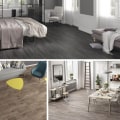
Hardwood flooring is a timeless choice that has captivated homeowners for generations. Defined as flooring made from solid wood, it offers a unique blend of beauty, durability, and warmth that synthetic materials simply cannot replicate. Unlike laminate or vinyl options, hardwood flooring is crafted from real wood species, such as oak, maple, cherry, and walnut, each bringing its own distinct character and charm to a space. This authenticity not only enhances the aesthetic appeal of a home but also contributes to its overall value.There are several types of hardwood flooring available, each catering to different tastes and needs.
Solid hardwood is milled from a single piece of wood and is known for its longevity and ability to be refinished multiple times. On the other hand, engineered hardwood consists of layers of wood veneer bonded together, providing greater stability and resistance to moisture fluctuations. This makes engineered options ideal for areas prone to humidity, such as basements or kitchens. Additionally, hardwood flooring can be finished in various ways—ranging from glossy to matte finishes—allowing homeowners to customize their floors according to their personal style.The benefits of hardwood flooring extend beyond mere aesthetics.
One of the most significant advantages is its durability; when properly maintained, hardwood floors can last for decades, making them a wise investment for any homeowner. Furthermore, hardwood is easy to clean and maintain compared to carpets or other flooring types that trap dust and allergens. This makes it an excellent choice for families with allergies or pets. Additionally, hardwood flooring can enhance the acoustics of a room and provide a warm feel underfoot, creating a welcoming atmosphere in any home.
The Aesthetic Appeal of Hardwood Flooring
When it comes to enhancing the visual appeal of a home, few elements can rival the beauty of hardwood flooring.Its natural warmth and rich textures create an inviting atmosphere that can elevate any space. The aesthetic benefits of hardwood flooring are not just limited to its appearance; they also extend to how it interacts with various design styles and color palettes.
Design Styles That Complement Hardwood Flooring
- Traditional: In traditional settings, hardwood floors serve as a classic foundation. Rich, dark woods like mahogany or walnut can add a sense of elegance and sophistication, perfectly complementing ornate furniture and intricate moldings.
- Modern: For modern interiors, lighter woods such as ash or maple can create a clean, airy feel. The simplicity of these materials aligns well with minimalist design principles, allowing for open spaces that feel both spacious and inviting.
- Rustic: Rustic designs benefit from the natural imperfections found in reclaimed wood or hand-scraped finishes.
These textures add character and warmth, making spaces feel cozy and lived-in.
- Industrial: In industrial-style homes, hardwood flooring can soften the starkness of metal and concrete elements. Choosing a distressed finish in darker tones can create a striking contrast that enhances the overall aesthetic.
Color Options for Hardwood Floors
The color of hardwood flooring plays a crucial role in defining the mood and style of a room. Here are some popular options:
- Natural Tones: Light oak or birch offers a timeless look that works well with almost any decor. These shades reflect light beautifully, making spaces feel larger and more open.
- Dark Stains: Darker hues like espresso or ebony provide a dramatic backdrop that can make lighter furniture pop.
This contrast is particularly effective in contemporary settings where bold statements are desired.
- Gray Wash: The trend of gray-washed floors has gained popularity for its modern appeal. This versatile color pairs well with both warm and cool palettes, making it an excellent choice for transitional spaces.
- Custom Finishes: Homeowners can also explore custom finishes that blend colors or incorporate unique textures. This allows for personalization that reflects individual style while maintaining the inherent beauty of the wood.
Durability and Longevity of Hardwood Floors
When considering flooring options, the durability and longevity of hardwood floors stand out as significant advantages.Hardwood flooring is renowned for its ability to withstand the test of time, often lasting for decades when properly maintained. This makes it not only a stylish choice but also a wise investment for homeowners.The lifespan of hardwood floors can vary based on several factors, including the type of wood, the quality of installation, and the level of foot traffic they endure. Generally, high-quality hardwood floors can last anywhere from 30 to 100 years. For instance, oak and maple are among the most durable species, while softer woods like pine may have a shorter lifespan.
Understanding Durability
One of the key aspects contributing to the durability of hardwood flooring is its natural composition.Unlike synthetic materials, hardwood is solid and dense, providing a robust surface that can resist wear and tear. Additionally, many manufacturers offer finishes that enhance the wood's resilience against scratches, stains, and moisture.
Maintenance Tips for Longevity
To ensure your hardwood floors remain in excellent condition for years to come, consider the following maintenance tips:- Regular Cleaning: Sweep or vacuum your floors regularly to remove dirt and debris that can cause scratches. Use a damp mop with a pH-neutral cleaner specifically designed for hardwood.
- Avoid Excessive Water: While hardwood is durable, it is not waterproof. Wipe up spills immediately and avoid using excessive water when cleaning.
- Use Area Rugs: Place area rugs in high-traffic areas to protect your floors from wear.
This is especially important in entryways and living rooms.
- Refinishing: Over time, even the most durable hardwood floors may show signs of wear. Refinishing your floors every 5 to 10 years can restore their original beauty and extend their lifespan significantly.
- Control Humidity: Wood is sensitive to changes in humidity. Maintaining a consistent indoor humidity level between 30% and 50% can help prevent warping or cracking.
Sustainability in Hardwood Flooring
As the world becomes increasingly aware of environmental issues, the demand for eco-friendly hardwood flooring has surged.Homeowners are now more conscious of their choices, seeking materials that not only enhance their living spaces but also contribute positively to the planet. This shift towards sustainability in flooring is not just a trend; it reflects a deeper commitment to responsible consumption and environmental stewardship.One of the primary benefits of choosing sustainable wood sources is the reduction of deforestation and habitat destruction. Many manufacturers are now sourcing their hardwood from forests that are managed responsibly, ensuring that trees are harvested in a way that maintains ecological balance. This means that for every tree cut down, new ones are planted, allowing forests to regenerate and thrive.Additionally, sustainable hardwood flooring often comes from species that grow quickly and abundantly, such as bamboo or cork.
These materials not only provide beautiful aesthetics but also have a lower environmental impact compared to traditional hardwoods like oak or maple. By opting for these alternatives, homeowners can enjoy the beauty of wood while supporting sustainable practices.Another significant aspect of sustainable flooring is its contribution to indoor air quality. Many eco-friendly hardwood options are finished with low-VOC (volatile organic compounds) finishes, which minimize harmful emissions into the home environment. This is particularly important for families with children or individuals with allergies, as it creates a healthier living space.Moreover, investing in sustainable hardwood flooring can lead to long-term cost savings.
While the initial investment may be higher than conventional options, the durability and longevity of sustainably sourced materials often result in lower maintenance costs over time. Homeowners can enjoy their beautiful floors for decades without the need for frequent replacements.In conclusion, choosing sustainable hardwood flooring is a decision that benefits not only the homeowner but also the environment. By selecting eco-friendly options and supporting responsible sourcing practices, individuals can create stunning interiors while contributing to a healthier planet for future generations.
Trends in Hardwood Flooring
As we navigate through 2023, the world of hardwood flooring continues to evolve, showcasing a blend of traditional elegance and modern innovation. Homeowners and designers alike are embracing new trends that not only enhance the aesthetic appeal of spaces but also reflect personal style and sustainability.Current Trends in Hardwood Flooring
One of the most notable trends this year is the shift towards wide plank hardwood flooring.These planks create a sense of openness and can make smaller rooms appear larger. The natural grain patterns and textures of wide planks add depth and character, making them a popular choice for contemporary homes.Another trend gaining traction is the use of mixed materials. Homeowners are increasingly opting for combinations of hardwood with other materials such as tile or stone. This approach allows for creative designs that can define spaces within an open floor plan while maintaining a cohesive look.
Modern Finishes for Hardwood
The finishes applied to hardwood floors are also evolving.Matte finishes have surged in popularity, offering a more natural look that highlights the wood's inherent beauty without the high gloss that can sometimes feel dated. These finishes not only provide a modern aesthetic but also help to hide scratches and imperfections, making them ideal for high-traffic areas.Additionally, textured finishes , such as wire-brushed or hand-scraped surfaces, are becoming increasingly sought after. These techniques add tactile interest and a rustic charm to hardwood floors, allowing homeowners to achieve a unique look that feels both contemporary and timeless.
Popular Styles in 2023
This year, color trends in hardwood flooring are leaning towards cooler tones. Shades like greige (a blend of gray and beige) and soft whites are being favored for their versatility and ability to complement various decor styles.These colors work beautifully with minimalist designs while still providing warmth to a space.Moreover, the trend of sustainability is influencing choices in hardwood flooring. Many manufacturers are now offering products made from reclaimed wood or sustainably sourced materials, appealing to environmentally conscious consumers who want to make responsible choices without sacrificing style.In conclusion, the trends in hardwood flooring for 2023 reflect a harmonious blend of modern aesthetics and timeless appeal. By incorporating wide planks, mixed materials, matte finishes, textured surfaces, and sustainable options, homeowners can create spaces that are not only stylish but also enduringly beautiful.
Addressing Common Concerns About Hardwood Flooring
When considering hardwood flooring, many homeowners have valid concerns regarding noise, cost, and installation challenges. Addressing these issues can help you make an informed decision about your flooring choice.Noise Issues with Hardwood Floors
One of the most common concerns about hardwood flooring is the potential for noise, especially in multi-story homes.Hard surfaces can amplify sound, leading to echoes and increased footfall noise. However, there are effective solutions to mitigate this issue:
- Underlayment: Installing a high-quality underlayment can significantly reduce noise transmission. Look for options specifically designed for hardwood floors that provide sound absorption.
- Area Rugs: Strategically placing area rugs in high-traffic areas can help dampen sound. They not only add warmth and style but also serve as a practical solution to noise concerns.
- Carpet Padding: If you have a second floor, consider using carpet padding beneath any carpets to further minimize sound transfer.
Cost of Hardwood Flooring
The cost of hardwood flooring can vary widely based on several factors, including the type of wood, finish, and installation method.Here are some key points to consider:
- Material Costs: Solid hardwood typically costs more than engineered wood due to its durability and longevity. However, engineered wood can be a more budget-friendly option while still providing the aesthetic appeal of real wood.
- Installation Expenses: Professional installation can add to the overall cost. While DIY installation is an option for some homeowners, it requires skill and precision to ensure a flawless finish.
- Long-Term Investment: Although the initial investment may be higher than other flooring options, hardwood floors can increase your home’s value and require less frequent replacement compared to laminate or carpet.
Installation Challenges with Hardwood Floors
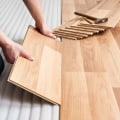
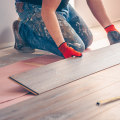
Installing hardwood flooring can present challenges, particularly for those unfamiliar with the process. Here are some common issues and how to address them:- Acclimation: Before installation, hardwood planks must acclimate to the room's temperature and humidity.
This step is crucial to prevent warping or buckling after installation.
- Subfloor Preparation: A clean, dry, and level subfloor is essential for a successful installation. Any imperfections should be addressed before laying down the hardwood.
- Professional Help: If you're unsure about tackling the installation yourself, hiring a professional can save time and ensure that the job is done correctly.
The Historical Significance of Hardwood Flooring
Hardwood flooring has a rich and storied history that reflects the evolution of home design and the changing tastes of society. Its origins can be traced back to the medieval period, when large estates and castles featured wooden floors as a symbol of wealth and sophistication. During this time, oak and walnut were the preferred choices, not only for their durability but also for their aesthetic appeal.These materials were often intricately crafted, showcasing the skill of artisans who understood the value of quality wood.As we moved into the Renaissance, hardwood flooring began to evolve further. The introduction of new techniques allowed for more elaborate designs, including inlays and patterns that transformed simple wooden planks into works of art. This period marked a significant shift in how flooring was perceived; it was no longer just a functional element but an integral part of interior design that could enhance the overall ambiance of a space.By the 18th and 19th centuries, hardwood flooring became increasingly popular in American homes, particularly as the country expanded westward. The availability of various wood species, such as maple, cherry, and hickory, allowed homeowners to choose materials that suited their personal style and regional influences.
This era also saw the rise of factory-produced flooring, making hardwood more accessible to the average homeowner.In the 20th century, hardwood flooring experienced yet another transformation with the advent of modern manufacturing techniques. Engineered hardwood emerged as a popular alternative to solid wood, offering greater stability and versatility while still maintaining the classic look that homeowners desired. This innovation allowed for wider planks and more diverse finishes, catering to contemporary tastes while honoring traditional aesthetics.Today, hardwood flooring continues to hold a significant place in home design. Its ability to adapt to various styles—from rustic farmhouse to sleek modern—ensures its relevance in any era.
Moreover, with a growing emphasis on sustainability, many manufacturers are now focusing on responsibly sourced materials and eco-friendly production methods.In summary, the historical significance of hardwood flooring is evident in its evolution from a symbol of luxury in medieval times to a versatile choice for modern homeowners. As we look back at its journey through time, it becomes clear that hardwood flooring is not just a practical choice; it is a timeless element that enhances the beauty and character of any home.
Choosing the Right Hardwood Flooring for Your Home
When it comes to selecting the perfect hardwood flooring for your home, there are several key factors to consider that can significantly impact both the aesthetic and functional aspects of your space. Understanding these elements will help you make an informed decision that aligns with your lifestyle and design preferences.1.Wood Species
- Oak: Known for its durability and classic appeal, oak is one of the most popular choices for hardwood flooring. It comes in two varieties: red and white, each offering unique grain patterns and colors.
- Maple: This species is favored for its light color and fine grain, making it an excellent choice for modern interiors.
Maple is also highly resistant to wear, making it suitable for high-traffic areas.
- Walnut: If you’re looking for a rich, dark hue, walnut is an exceptional option. Its luxurious appearance adds warmth and sophistication to any room.
- Cherry: Cherry wood has a distinctive reddish tone that deepens over time, providing a unique character. It’s softer than other hardwoods, so it may not be ideal for homes with pets or heavy foot traffic.
2.Finish Options
The finish of your hardwood flooring can greatly influence its look and longevity. There are two primary types of finishes:
- Site-Finished: This option allows for customization in terms of stain color and sheen level.
It’s applied after installation, providing a seamless look but requiring more time and effort.
- Prefinished: Prefinished hardwood comes ready to install with a factory-applied finish. This option is convenient and often more durable since it undergoes rigorous testing before reaching your home.
3.Budget Considerations
Your budget will play a crucial role in determining the type of hardwood flooring you choose. While solid hardwood tends to be more expensive due to its longevity and refinishing potential, engineered hardwood offers a more affordable alternative without sacrificing style. Consider the long-term value of your investment; higher-quality materials may cost more upfront but can save you money on maintenance and replacement in the future.Ultimately, choosing the right hardwood flooring involves balancing aesthetics, durability, and budget.
By carefully evaluating these factors, you can select a flooring option that enhances your home’s beauty while meeting your practical needs.
Conclusion: The Enduring Value of Hardwood Flooring
In conclusion, the allure of hardwood flooring is not merely a fleeting trend; it is a testament to the enduring value that this material brings to any home. As we have explored throughout this article, hardwood floors offer a unique blend of elegance, versatility, and timelessness that few other flooring options can match.One of the most compelling reasons to choose hardwood flooring is its ability to adapt to various design styles. Whether your home leans towards traditional, contemporary, or eclectic aesthetics, hardwood can seamlessly integrate into your decor. The range of finishes and colors available today—from rich mahogany to light oak—ensures that there is a perfect match for every homeowner's vision.Moreover, the durability of hardwood flooring cannot be overstated.Unlike other materials that may wear out or become outdated, hardwood can be refinished multiple times, allowing it to maintain its beauty and functionality for decades. This longevity makes it a wise investment for homeowners looking to enhance their property’s value.Additionally, the modern innovations in hardwood flooring technology have made it more accessible and sustainable than ever before. With eco-friendly manufacturing processes and a growing selection of reclaimed wood options, homeowners can enjoy the beauty of hardwood while also making environmentally conscious choices.As we look towards the future, it is clear that hardwood flooring will continue to hold its place as a preferred choice among homeowners and designers alike. Its ability to evoke warmth and sophistication in any space ensures that it will remain a staple in interior design.Ultimately, investing in hardwood flooring is not just about aesthetics; it’s about creating a lasting foundation for your home that reflects your personal style while standing the test of time.
By choosing hardwood, you are not only enhancing your living space but also embracing a legacy of quality and craftsmanship that has been cherished for centuries.