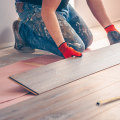
When it comes to flooring options, few materials can rival the enduring charm and elegance of hardwood flooring. This classic choice has captivated homeowners and designers alike for generations, thanks to its unique ability to blend seamlessly with a variety of interior styles. From rustic cabins to modern urban lofts, hardwood flooring serves as a versatile foundation that enhances the aesthetic appeal of any space. Its natural beauty, characterized by rich grains and warm tones, creates an inviting atmosphere that is hard to replicate with synthetic alternatives.The benefits of hardwood flooring extend beyond mere aesthetics.
One of the most significant advantages is its durability; hardwood can withstand the test of time, making it a wise investment for both residential and commercial properties. Unlike other flooring materials that may wear out or become outdated, hardwood floors can be refinished multiple times, allowing them to maintain their luster and appeal for decades. This longevity not only adds value to your property but also reduces the need for frequent replacements, making it a cost-effective choice in the long run.Moreover, hardwood flooring is celebrated for its ability to improve indoor air quality. Unlike carpets that can trap dust, allergens, and pet dander, hardwood surfaces are easy to clean and maintain.
This feature makes them particularly appealing for families with children or pets, as they provide a healthier living environment. Additionally, the timeless nature of hardwood means that it will never go out of style; it adapts beautifully to changing design trends while retaining its classic allure.As we delve deeper into the world of hardwood flooring, we will explore its various types, styles, and finishes, as well as how to choose the right option for your home or business. Whether you are renovating an existing space or building from the ground up, understanding the full spectrum of benefits associated with hardwood will empower you to make an informed decision that enhances your living environment.
The Unique Characteristics of Hardwood Flooring
When it comes to flooring options, hardwood stands out due to its unique characteristics that blend aesthetic appeal with practical benefits. One of the most notable features of hardwood flooring is its natural beauty.Each plank tells a story, showcasing the intricate grain patterns and rich colors that vary from species to species. This natural variation not only enhances the visual interest of a room but also allows homeowners to choose a style that complements their personal taste and existing decor.In addition to its beauty, hardwood flooring is renowned for its durability. Made from solid wood or engineered wood, hardwood floors can withstand the rigors of daily life, making them an ideal choice for high-traffic areas. With proper care and maintenance, hardwood can last for decades, often outliving other flooring materials.
This longevity makes it a wise investment for homeowners looking to enhance their property’s value.There are several types of hardwood available, each offering distinct characteristics:
- Oak: Known for its strength and versatility, oak is one of the most popular choices for hardwood flooring. It comes in two varieties: red and white, each providing a different hue and grain pattern.
- Maple: Maple is prized for its light color and fine grain, making it a great option for modern interiors. Its hardness also makes it resistant to scratches and dents.
- Cherry: Cherry wood is celebrated for its rich, warm tones that deepen over time. It adds a touch of elegance to any space and is often used in traditional settings.
- Walnut: With its dark hues and striking grain patterns, walnut offers a luxurious feel.
It’s perfect for creating a dramatic contrast in lighter rooms.
Benefits of Choosing Hardwood Flooring
When considering flooring options, the choice of hardwood stands out for a multitude of reasons.One of the most significant advantages of hardwood flooring is its remarkable longevity. Unlike many other flooring materials, hardwood can last for decades, often even a lifetime, when properly maintained. This durability not only makes it a practical choice but also a financially sound investment.Another compelling reason to choose hardwood is its ease of maintenance. Regular sweeping and occasional mopping are typically all that is needed to keep hardwood floors looking pristine.
Unlike carpets, which can trap dust, allergens, and stains, hardwood surfaces are much easier to clean and maintain. This characteristic makes them particularly appealing for families with children or pets.In addition to their practical benefits, hardwood floors also contribute significantly to the overall aesthetic of a home. They add warmth and elegance to any space, enhancing the visual appeal of both traditional and modern interiors. The natural grain patterns and rich colors of hardwood can complement various design styles, making it a versatile choice for homeowners.Moreover, investing in hardwood flooring can increase your property value.
Real estate experts often note that homes with hardwood floors tend to sell faster and at higher prices compared to those with other types of flooring. This is largely due to the perception of quality and luxury associated with hardwood.Furthermore, hardwood flooring is an environmentally friendly option when sourced sustainably. Many manufacturers now offer products made from responsibly harvested wood, allowing homeowners to make eco-conscious choices without sacrificing style or quality.In summary, the benefits of choosing hardwood flooring are numerous and compelling. From its longevity and ease of maintenance to its aesthetic appeal and potential to increase property value, hardwood remains a top choice for discerning homeowners looking to enhance their living spaces.
Design Versatility: How Hardwood Fits Any Style
When it comes to flooring, few materials offer the same level of design versatility as hardwood.Its natural beauty and rich textures allow it to seamlessly integrate into a variety of interior design styles, making it a favored choice among homeowners and designers alike.
Traditional Elegance
In traditional settings, hardwood flooring serves as a foundation for classic aesthetics. Rich, dark woods like mahogany or walnut can enhance the opulence of a formal dining room or a stately living area. The intricate grain patterns and warm tones of these woods complement ornate furniture and decorative moldings, creating an inviting atmosphere that exudes sophistication.
Modern Minimalism
On the other end of the spectrum, hardwood flooring can also adapt beautifully to modern minimalist designs. Light-colored woods such as ash or maple provide a clean, airy feel that aligns perfectly with contemporary decor.
These lighter shades reflect natural light, making spaces feel larger and more open. Pairing hardwood with sleek furniture and simple lines creates a harmonious balance that is both stylish and functional.
Rustic Charm
For those drawn to rustic or farmhouse styles, reclaimed hardwood flooring offers a unique charm that tells a story. The weathered appearance and varied textures of reclaimed wood add character to any space, making it ideal for cozy kitchens or inviting living rooms. This style embraces imperfections, allowing homeowners to create a warm and welcoming environment that feels lived-in and loved.
Eclectic Fusion
Hardwood flooring also shines in eclectic designs where various styles converge.
By mixing different wood finishes or combining hardwood with other materials like tile or stone, homeowners can create personalized spaces that reflect their unique tastes. For instance, pairing dark hardwood with colorful area rugs or bold wall art can create striking focal points that draw the eye.
Conclusion
The adaptability of hardwood flooring makes it an exceptional choice for any interior design style. Whether you prefer the elegance of traditional decor, the simplicity of modern minimalism, the warmth of rustic charm, or the creativity of eclectic fusion, hardwood can enhance your space in countless ways. Its timeless appeal ensures that no matter how your design preferences evolve over time, your hardwood floors will remain a beautiful and enduring element of your home.
The Aging Process: Why Hardwood Gets Better with Time
One of the most captivating aspects of hardwood flooring is its ability to evolve over time, developing a unique character that enhances its aesthetic appeal.This transformation is primarily due to the natural aging process, which allows hardwood to develop a rich patina. Unlike synthetic flooring options, which can look dated or worn out after a few years, hardwood floors gain depth and warmth as they age, making them a truly timeless choice for any home.The patina that forms on hardwood floors is a result of several factors, including exposure to light, foot traffic, and environmental conditions. As the wood interacts with these elements, it undergoes subtle changes that contribute to its overall beauty. For instance, sunlight can lighten certain areas while darkening others, creating a stunning contrast that adds visual interest.
Additionally, the oils from our skin and the wear from daily activities can enhance the color and texture of the wood, resulting in a floor that tells a story of its own.Many homeowners appreciate this natural aging process because it means their flooring becomes more unique over time. No two hardwood floors will age in exactly the same way, which means your flooring will have its own distinct personality. This individuality is particularly appealing to those who value authenticity and craftsmanship in their home decor.Moreover, the longevity of hardwood flooring is another reason why it remains a popular choice among consumers. With proper care and maintenance, hardwood floors can last for decades—often outliving other types of flooring materials.
Regular cleaning and occasional refinishing can help preserve their beauty and extend their lifespan even further. This durability not only makes hardwood a practical investment but also ensures that your home retains its value over time.In conclusion, the aging process of hardwood flooring is not just about wear and tear; it’s about transformation and enhancement. The development of a beautiful patina adds character and charm that few other flooring options can match. For those who appreciate aesthetics and longevity in their home design choices, investing in hardwood flooring is undoubtedly a decision that pays off in both beauty and durability.
Maintenance Tips for Hardwood Flooring
Maintaining hardwood flooring is essential to ensure its beauty and longevity.With the right care, your hardwood floors can remain stunning for decades, enhancing the overall aesthetic of your home. Here are some practical tips to help you keep your wood flooring in top condition.
Regular Cleaning
One of the most important aspects of maintaining hardwood floors is regular cleaning. Dust, dirt, and debris can scratch the surface over time, dulling its shine. To prevent this:- Sweep or vacuum your floors at least once a week.
Use a soft-bristle broom or a vacuum designed for hardwood to avoid damaging the finish.
- Mop your floors with a damp mop every month. Avoid using excessive water, as it can seep into seams and cause warping. Instead, use a cleaner specifically formulated for hardwood flooring.
- Spot clean any spills immediately with a soft cloth to prevent stains and damage.
Protective Measures
Taking preventive measures can significantly extend the life of your hardwood floors:- Use area rugs in high-traffic areas to minimize wear and tear. This is especially important in entryways and living rooms.
- Place felt pads under furniture legs to prevent scratches when moving items around.
- Avoid wearing shoes with hard soles on your hardwood floors.
Instead, encourage family members and guests to remove their shoes upon entering your home.
Humidity Control
The environment plays a crucial role in the maintenance of hardwood flooring. Wood is sensitive to changes in humidity:- Maintain indoor humidity levels between 30% and 50%. Use a humidifier during dry months and a dehumidifier in humid conditions to prevent warping or cracking.
- Avoid direct sunlight on your floors for extended periods, as UV rays can fade the finish. Consider using curtains or blinds to protect your flooring from harsh sunlight.
Periodic Refinishing
Even with proper care, hardwood floors may require refinishing over time:- Assess the condition of your floors every few years.
If you notice scratches, dullness, or discoloration, it may be time to refinish them.
- Hire a professional for refinishing if you're unsure about doing it yourself. A professional can restore the original luster and protect your investment.
Common Myths About Hardwood Flooring Debunked
When considering hardwood flooring, many potential buyers are often swayed by common myths and misconceptions that can cloud their judgment. Understanding the truth behind these myths is essential for making an informed decision about your flooring options.Myth 1: Hardwood Floors Are Too Expensive
While it’s true that the initial investment in hardwood flooring can be higher than other materials, it’s important to consider the long-term value.
Hardwood floors are incredibly durable and can last for decades with proper care. This longevity means that over time, they can actually be more cost-effective than cheaper alternatives that may need to be replaced more frequently.
Myth 2: Hardwood Floors Are Difficult to Maintain
Another common misconception is that hardwood floors require excessive maintenance. In reality, maintaining hardwood is quite straightforward. Regular sweeping or vacuuming, along with occasional mopping using a manufacturer-recommended cleaner, is usually all that’s needed to keep them looking pristine.
Additionally, refinishing can restore their original beauty if they become scratched or worn.
Myth 3: Hardwood Floors Are Not Suitable for Pets
Many pet owners shy away from hardwood flooring due to concerns about scratches and stains. However, there are several hardwood species that are more resistant to wear and tear, such as oak and hickory. Moreover, using area rugs in high-traffic zones can help protect your floors while still allowing you to enjoy the beauty of wood.
Myth 4: All Hardwood Floors Are the Same
This myth overlooks the vast variety of hardwood options available today. From engineered wood to solid hardwood, each type offers unique benefits.
Engineered wood, for instance, is designed to withstand humidity and temperature changes better than solid wood, making it a great choice for basements or areas with fluctuating climates.
Myth 5: Hardwood Floors Are Not Eco-Friendly
Some consumers believe that choosing hardwood flooring contributes to deforestation and environmental harm. However, many manufacturers source their wood from sustainable forests and adhere to strict environmental standards. Additionally, hardwood is a renewable resource that can be harvested responsibly.By debunking these myths surrounding hardwood flooring, potential buyers can feel more confident in their choices. Understanding the facts about hardwood not only helps in making an informed decision but also highlights the numerous benefits this timeless flooring option has to offer.
Cost Considerations: Is Hardwood Worth the Investment?
When considering hardwood flooring, one of the most significant factors that homeowners must evaluate is the cost.While the initial investment may seem steep compared to other flooring options, understanding the long-term value can help justify the expense.The price of hardwood flooring can vary widely based on several factors, including the type of wood, grade, and finish. On average, homeowners can expect to pay between $5 to $10 per square foot for materials alone. Exotic woods or high-grade options can push this price even higher, sometimes exceeding $15 per square foot. Additionally, installation costs can range from $3 to $8 per square foot, depending on the complexity of the job and local labor rates.While these figures may appear daunting, it’s essential to consider the longevity and durability of hardwood flooring.
Unlike cheaper alternatives such as laminate or vinyl, which may need replacement every 10 to 20 years, hardwood floors can last a lifetime with proper care. This durability translates into a lower cost per year over time, making hardwood a more economical choice in the long run.Moreover, hardwood flooring often increases a home’s resale value. According to various real estate studies, homes with hardwood floors tend to sell for more than those with carpet or other types of flooring. This added value can be a significant factor for homeowners looking to invest wisely in their property.Another aspect to consider is maintenance.
Hardwood floors require regular upkeep, including refinishing every 5 to 10 years, which can cost between $1 to $3 per square foot. However, this maintenance not only preserves the beauty of the wood but also extends its lifespan.In summary, while the upfront costs of hardwood flooring may be higher than other materials, its durability, aesthetic appeal, and potential for increased home value make it a worthwhile investment. Homeowners should weigh these factors carefully when budgeting for their flooring needs.
<strong>Conclusion</strong>: The Enduring Allure of Hardwood Flooring
In conclusion, the timeless appeal of hardwood flooring is evident in its ability to blend seamlessly with various design styles while providing unmatched durability and aesthetic charm. Throughout this article, we have explored the numerous benefits that hardwood flooring offers, from its natural beauty to its long-lasting performance.One of the most compelling reasons to choose hardwood flooring is its versatility.Whether you are designing a cozy cottage or a sleek modern apartment, hardwood can adapt to your vision. The variety of species, finishes, and colors available allows homeowners to customize their spaces according to personal taste and style preferences.Moreover, hardwood flooring is not just a visual asset; it also contributes to the overall value of a home. Real estate experts consistently note that homes with hardwood floors tend to sell faster and at higher prices compared to those with other types of flooring. This makes hardwood not only a beautiful choice but also a smart investment.Another significant aspect of hardwood flooring is its sustainability.
As more homeowners become environmentally conscious, the demand for natural materials has surged. Hardwood is a renewable resource when sourced responsibly, making it an eco-friendly option that aligns with modern values.Additionally, the maintenance of hardwood floors is relatively straightforward. Regular cleaning and occasional refinishing can keep them looking new for decades. Unlike carpets that can harbor allergens and require frequent replacement, hardwood floors offer a healthier living environment.As we have seen, the enduring allure of hardwood flooring lies in its ability to enhance any space while providing practical benefits that few other materials can match.
Whether you are renovating an existing home or building a new one, choosing hardwood flooring is a decision that promises lasting beauty and functionality.Ultimately, investing in hardwood flooring is not merely about aesthetics; it’s about creating a warm and inviting atmosphere that stands the test of time. With its rich history and continued popularity, hardwood flooring remains a cherished choice for homeowners seeking elegance and durability in their living spaces.