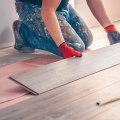
When it comes to selling a home, the flooring plays a pivotal role in shaping potential buyers' perceptions and decisions. The right flooring can not only enhance the aesthetic appeal of a property but also significantly influence its market value. In the competitive landscape of real estate, where first impressions are crucial, flooring serves as a silent yet powerful statement about the quality and care that has gone into maintaining a home. Buyers often associate high-quality flooring with overall home maintenance, making it an essential factor in the sales process.Understanding the value of flooring in home sales goes beyond mere aesthetics; it encompasses durability, maintenance, and style.
For instance, homes featuring well-maintained hardwood floors often command higher prices compared to those with outdated or damaged flooring options. This is because hardwood is not only visually appealing but also offers longevity and ease of maintenance, which are attractive traits for prospective homeowners. As such, investing in quality flooring can yield significant returns when it comes time to sell.Moreover, the impact of flooring extends into the realm of real estate marketing. High-quality images showcasing beautiful floors can elevate online listings and attract more potential buyers during open houses.
In fact, many real estate agents emphasize the importance of flooring in their marketing strategies, highlighting it as a key feature that can set a property apart from others on the market. As we delve deeper into this topic, we will explore how hardwood flooring specifically enhances property appeal and contributes to maximizing home value.
Why Hardwood Flooring Stands Out
When it comes to choosing the right flooring for your home, hardwood stands out as a premier option due to its numerous advantages. Understanding these benefits can help homeowners make informed decisions that not only enhance their living spaces but also increase property value.Durability and Longevity
One of the most compelling reasons to opt for hardwood flooring is its remarkable durability. Unlike carpet or vinyl, which may wear out or become stained over time, hardwood floors can last for decades with proper care.
They are resistant to scratches and dents, especially when made from harder woods like oak or maple. This resilience makes them an ideal choice for high-traffic areas in the home, such as living rooms and hallways.
Aesthetic Appeal
Hardwood flooring offers a timeless beauty that is hard to replicate with other materials. The natural grain patterns and rich colors of wood create a warm and inviting atmosphere in any room. Homebuyers often find hardwood floors more appealing than alternatives like laminate or tile, which can sometimes look artificial.
The ability to refinish hardwood floors also means that homeowners can change the look of their space without the need for complete replacement.
Market Demand
From a real estate perspective, hardwood flooring is highly sought after by potential buyers. Homes featuring hardwood floors often sell faster and at higher prices compared to those with carpet or other types of flooring. This demand is driven by the perception of quality and luxury associated with hardwood, making it a smart investment for homeowners looking to maximize their property value.
Health Benefits
In addition to aesthetic and financial advantages, hardwood flooring also contributes positively to indoor air quality. Unlike carpets that can trap dust, allergens, and pet dander, hardwood floors are hypoallergenic and easy to clean.
Regular sweeping and occasional mopping are usually sufficient to maintain their appearance, making them a practical choice for families with allergies or respiratory issues.
Versatility in Design
Hardwood flooring comes in various species, colors, and finishes, allowing homeowners to customize their spaces according to personal style and home decor. Whether you prefer the classic look of oak or the modern appeal of maple, there’s a hardwood option that can complement any design aesthetic.In summary, the unique benefits of hardwood flooring—its durability, aesthetic appeal, market demand, health advantages, and design versatility—make it a standout choice among flooring options. For homeowners considering an upgrade, investing in hardwood is not just about enhancing beauty; it's about making a long-term investment in their home’s value.
The Timeless Appeal of Hardwood Flooring
When it comes to flooring options, few materials can rival the timeless appeal of hardwood. For centuries, hardwood flooring has been a favored choice among homeowners and designers alike, thanks to its ability to seamlessly blend with various architectural styles while providing a warm and inviting atmosphere.This enduring popularity is not merely a trend; it reflects the inherent qualities of hardwood that make it a wise investment for any homeowner.One of the most significant aspects of hardwood flooring is its longevity. Unlike many modern flooring options that may wear out or go out of style within a few years, hardwood can last for decades, even centuries, when properly maintained. This durability means that homeowners can enjoy their investment for many years without the need for frequent replacements. Additionally, hardwood floors can be refinished multiple times, allowing them to regain their original luster and adapt to changing design preferences.Moreover, the classic look of hardwood flooring complements a wide range of home designs—from traditional to contemporary.
In classic homes, rich oak or walnut floors can enhance the elegance of ornate moldings and vintage furnishings. In contrast, lighter woods like maple or ash can provide a fresh and modern feel in minimalist spaces. This versatility makes hardwood an ideal choice for homeowners who appreciate both timeless aesthetics and modern sensibilities.Another factor contributing to the enduring appeal of hardwood is its ability to evoke a sense of warmth and comfort. The natural grains and textures found in wood create an inviting ambiance that synthetic materials often struggle to replicate.
This emotional connection to the material can significantly enhance the overall atmosphere of a home, making it feel more welcoming and lived-in.In addition to its aesthetic benefits, hardwood flooring also aligns with sustainable living practices. Many manufacturers now source their wood from responsibly managed forests, ensuring that your investment supports environmental stewardship. This commitment to sustainability resonates with today’s eco-conscious consumers who seek products that are both beautiful and environmentally friendly.In conclusion, the timelessness of hardwood flooring lies in its unique combination of durability, versatility, and aesthetic appeal. Whether you are renovating an older home or building a new one, choosing hardwood flooring is not just about enhancing your space; it’s about making a long-term investment in your home’s value and character.
Durability and Maintenance: A Practical Choice
When considering flooring options, durability and maintenance are two critical factors that can significantly influence a homeowner's decision.Hardwood flooring stands out in both categories, making it a practical choice for those looking to enhance their home’s value.
Durability of Hardwood Flooring
One of the most compelling reasons to choose hardwood flooring is its remarkable durability. Unlike softer flooring materials such as carpet or laminate, hardwood is designed to withstand the rigors of daily life. High-quality hardwood floors can last for decades, often exceeding 50 years with proper care. This longevity is attributed to the natural strength of the wood itself, particularly in species like oak and maple, which are known for their hardness and resistance to wear.Moreover, hardwood floors are less susceptible to damage from spills and scratches compared to other flooring types.
While no flooring is entirely impervious to wear, hardwood can be refinished multiple times throughout its lifespan, allowing homeowners to restore its original beauty without the need for complete replacement.
Maintenance Tips for Hardwood Floors
Maintaining hardwood floors is relatively straightforward, which adds to their appeal. Here are some essential maintenance tips:
- Regular Cleaning: Sweep or vacuum your hardwood floors regularly to remove dirt and debris that can scratch the surface. A microfiber mop can also be used for deeper cleaning.
- Use Appropriate Cleaners: Avoid harsh chemicals that can damage the finish. Instead, use cleaners specifically designed for hardwood floors.
- Control Humidity: Wood is sensitive to changes in humidity.
Use a humidifier in dry months and a dehumidifier in humid months to maintain a stable environment.
- Protect High-Traffic Areas: Place rugs or mats in entryways and other high-traffic areas to minimize wear and tear.
- Refinishing: Plan to refinish your hardwood floors every 5-10 years, depending on usage. This process not only restores the floor’s appearance but also adds a protective layer.
The Lifespan of Hardwood Flooring
The lifespan of hardwood flooring is one of its most attractive features. With proper installation and maintenance, homeowners can expect their hardwood floors to last anywhere from 30 to 100 years. This longevity not only provides excellent value but also makes hardwood an appealing option for potential buyers who appreciate quality and durability in a home.In conclusion, the durability and low maintenance requirements of hardwood flooring make it an exceptional choice for homeowners looking to maximize their property’s value.
By investing in this timeless material, you not only enhance your living space but also ensure that your home remains attractive and functional for years to come.
Customization Options: Tailoring Your Hardwood Floors
When it comes to enhancing the aesthetic appeal of your home, custom hardwood options play a pivotal role. The beauty of hardwood flooring lies not only in its natural elegance but also in the myriad of choices available to homeowners. By selecting the right wood type and finish, you can create a unique look that complements your home’s design and increases its marketability.Exploring Wood Types
The first step in customizing your hardwood flooring is choosing the right wood type. Each species of wood has its own distinct characteristics, which can significantly influence the overall ambiance of your space.Here are some popular options:
- Oak: Known for its durability and classic appeal, oak is a versatile choice that works well in both traditional and modern settings. Its prominent grain patterns add depth and character.
- Maple: With a lighter color and subtle grain, maple offers a contemporary look that brightens up any room. It’s also highly resistant to wear, making it ideal for high-traffic areas.
- Walnut: Renowned for its rich, dark tones and intricate grain, walnut adds a touch of luxury to any space. It’s perfect for creating a warm and inviting atmosphere.
- Pine: A softer wood with a rustic charm, pine is often used in country-style homes.
Its natural knots and variations give it a unique character that appeals to many homeowners.
Selecting the Right Finish
The finish you choose for your hardwood floors can dramatically alter their appearance and durability. Here are some common finishes to consider:- Glossy Finish: This high-shine option reflects light beautifully, adding an elegant touch to formal spaces. However, it may require more maintenance to keep it looking pristine.
- Satin Finish: Offering a balance between gloss and matte, satin finishes provide a soft sheen that enhances the wood's natural beauty without being overly reflective.
- Matte Finish: For those seeking a more understated look, matte finishes offer a natural appearance that highlights the wood's texture while minimizing glare.
Choosing the Right Hardwood for Your Home
When it comes to enhancing your home with hardwood flooring, selecting the right type of wood is crucial.The choice of hardwood not only affects the aesthetic appeal of your space but also its functionality and longevity. Here are some key considerations to help you make an informed decision.
1.Understand Your Home's Style
- Traditional Homes: If your home features classic architecture, consider hardwoods like oak or walnut. These woods offer rich colors and grain patterns that complement traditional designs.
- Modern Homes: For a contemporary look, maple or ash can provide a sleek and clean aesthetic. Their lighter tones and subtle grain can enhance modern interiors.
- Rustic Homes: If your home has a more rustic or farmhouse vibe, pine or reclaimed wood can add warmth and character, creating a cozy atmosphere.
2.Consider the Location Within Your Home
The area where you plan to install hardwood flooring plays a significant role in your selection:
- High-Traffic Areas: For spaces like entryways and living rooms, opt for harder woods such as oak or hickory.
These species are more resistant to dents and scratches, making them ideal for busy households.
- Low-Traffic Areas: Softer woods like pine can be suitable for bedrooms or guest rooms where foot traffic is minimal. They offer a unique charm but may require more care to maintain their appearance.
3.Finishing Touches Matter
The finish you choose for your hardwood flooring can dramatically alter its look and feel. A glossy finish can impart elegance, while a matte finish offers a more natural appearance. Consider how the finish will harmonize with your home’s overall design.
4.Maintenance Considerations
Different wood types have varying maintenance needs.
Hardwoods like walnut may require less frequent refinishing compared to softer woods. Be sure to factor in how much time and effort you’re willing to invest in upkeep when making your selection.Selecting the right hardwood flooring is an essential step in maximizing both the beauty and value of your home. By considering your home's style, the specific location of the flooring, and maintenance requirements, you can choose a hardwood that not only meets your aesthetic desires but also stands the test of time.
Installation Considerations: Professional vs DIY
When it comes to installing hardwood flooring, homeowners often face a crucial decision: should they hire a professional or tackle the project themselves? Each option has its own set of advantages and disadvantages that can significantly impact the final outcome, including the longevity and value of the flooring.Professional Installation: The Advantages
Opting for professional installation can provide several benefits that are hard to overlook:- Expertise and Experience: Professional installers have extensive training and experience, which means they are well-versed in the nuances of hardwood flooring. They understand how to handle different wood types, acclimate materials, and navigate potential challenges that may arise during installation.
- Quality Assurance: A professional installation typically comes with a warranty, ensuring that any issues arising from improper installation will be addressed without additional costs.
This peace of mind is invaluable for homeowners looking to protect their investment.
- Time Efficiency: Professionals can complete the job much faster than most DIYers. They have the right tools and techniques to ensure a smooth installation process, allowing you to enjoy your new floors sooner.
- Proper Techniques: Professionals are familiar with various installation methods, such as nail-down, glue-down, or floating installations. They can recommend the best approach based on your specific flooring type and home environment.
DIY Installation: Weighing the Pros and Cons
While DIY installation can be appealing for those looking to save money, it comes with its own set of challenges:- Cost Savings: One of the primary reasons homeowners choose to install hardwood flooring themselves is to save on labor costs. If you have some experience with home improvement projects, this can be a viable option.
- Personal Satisfaction: Successfully completing a DIY project can be incredibly rewarding.
It allows you to take pride in your home improvement efforts and customize the installation process according to your preferences.
- Learning Opportunity: For those interested in home improvement, installing hardwood floors can be an excellent way to gain new skills and knowledge about flooring materials and techniques.
- Lack of Expertise: Without professional training, you may not be aware of best practices or common pitfalls that could lead to costly mistakes.
- Time-Consuming: DIY projects often take longer than anticipated, especially if you encounter unexpected challenges or if you are learning as you go.
- Poor Quality Installation: Improperly installed hardwood floors can lead to issues such as warping, gaps, or squeaking over time, ultimately diminishing the value of your home.
Additional Benefits of Hardwood Flooring Beyond Aesthetics
While the aesthetic appeal of hardwood flooring is undeniable, its advantages extend far beyond mere looks. Homeowners and potential buyers alike are increasingly aware of the health benefits associated with hardwood floors, making them a wise investment for those looking to enhance their living environment.One of the most significant health benefits of hardwood flooring is its hypoallergenic properties.Unlike carpets, which can trap dust, allergens, and pet dander, hardwood floors provide a smooth surface that is easy to clean and maintain. This characteristic is particularly beneficial for individuals with allergies or respiratory issues. Regular sweeping and occasional mopping can effectively eliminate dust and allergens, creating a healthier indoor atmosphere.Moreover, hardwood flooring does not harbor mold or mildew, which can thrive in damp environments often found in carpeted areas. This resistance to moisture-related issues further contributes to a cleaner and healthier home environment.
Eco-Friendly Options
In addition to health benefits, hardwood flooring is also an eco-friendly choice.Many manufacturers now offer sustainably sourced wood options that minimize environmental impact. When selecting hardwood flooring, look for products certified by organizations such as the Forest Stewardship Council (FSC), which ensures that the wood comes from responsibly managed forests.Furthermore, hardwood floors have a long lifespan, often lasting decades with proper care. This durability means fewer resources are consumed over time compared to other flooring options that may need frequent replacement. Additionally, at the end of their life cycle, hardwood floors can be recycled or repurposed, further reducing waste.Investing in hardwood flooring not only enhances the beauty of your home but also contributes positively to your health and the environment.
These additional benefits make hardwood an even more attractive option for homeowners looking to maximize their property value while promoting a sustainable lifestyle.
Market Trends: The Demand for Hardwood Flooring in Real Estate
In the ever-evolving landscape of real estate, understanding market trends is crucial for homeowners looking to maximize their investment. One of the most significant trends in recent years has been the increasing demand for hardwood flooring. This demand is not merely a fleeting preference; it reflects deeper shifts in buyer behavior and market dynamics.According to recent studies, hardwood flooring has consistently ranked as one of the most sought-after features in homes across various demographics. In 2023, a survey conducted by the National Association of Realtors revealed that over 54% of homebuyers consider hardwood floors a top priority when searching for a new home.This statistic underscores the enduring appeal of hardwood as a desirable flooring option.Several factors contribute to this heightened demand:
- Durability and Longevity: Hardwood floors are known for their resilience. Unlike other flooring options that may require frequent replacement, hardwood can last for decades with proper care, making it an attractive long-term investment.
- Aesthetic Appeal: The natural beauty and warmth of hardwood add an element of sophistication to any space. Buyers are increasingly drawn to homes that offer a timeless aesthetic, which hardwood flooring provides.
- Health Benefits: With growing awareness around indoor air quality, many buyers prefer hypoallergenic materials. Hardwood floors do not harbor dust mites or allergens, making them a healthier choice for families.
- Market Resilience: Even during economic downturns, homes with hardwood flooring tend to retain their value better than those with other types of flooring.
This resilience makes hardwood a safer investment for homeowners.
<strong>Conclusion</strong>: Investing in Hardwood Flooring for Maximum Home Value
In summary, investing in hardwood flooring is not merely a design choice; it is a strategic decision that can lead to significant increases in home value.Throughout this article, we have explored the numerous benefits that hardwood flooring offers, from its timeless appeal to its unmatched durability. These characteristics make hardwood a highly sought-after option for potential buyers, ensuring that your investment pays off when it comes time to sell.One of the most compelling reasons to consider hardwood as your flooring of choice is its ability to enhance the aesthetic of any home. The natural beauty and warmth of hardwood floors create an inviting atmosphere that resonates with buyers. Whether you opt for the rich tones of oak or the sleek finish of maple, each type of wood brings its unique charm, allowing homeowners to tailor their spaces to reflect personal style while also appealing to a broader market.Moreover, the durability of hardwood flooring cannot be overstated.
Unlike other flooring options that may wear out or become outdated quickly, hardwood can withstand the test of time. Its resistance to scratches and spills makes it an ideal choice for families with children and pets, ensuring that it remains in excellent condition for years. This longevity not only reduces replacement costs but also enhances the overall value of your home.When making flooring decisions , it is essential to consider not just the immediate aesthetic benefits but also the long-term implications for your property’s worth. Hardwood flooring is an investment that pays dividends in both comfort and financial return.
As trends shift and styles evolve, hardwood remains a classic choice that retains its appeal across generations.In conclusion, if you are looking to maximize your home’s value, investing in hardwood flooring is a decision you will not regret. Its combination of beauty, durability, and versatility makes it a standout option in the realm of home improvement. By choosing hardwood, you are not just enhancing your living space; you are making a wise investment in your property’s future.