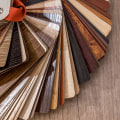
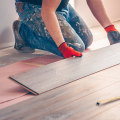
When it comes to enhancing the value of your home, the significance of flooring cannot be overstated. Flooring serves as the foundation of your interior aesthetic, influencing not only the visual appeal of your space but also its functionality and comfort. Potential buyers often form their first impressions based on the flooring they encounter, making it a critical element in the overall perception of a property. A well-chosen flooring option can elevate a home’s marketability, while poor choices can detract from its value.The right flooring can create a cohesive look throughout your home, tying together various design elements and enhancing the overall ambiance.
For instance, consistent flooring across different rooms can foster a sense of flow and unity, which is particularly appealing to buyers. Conversely, mismatched or outdated flooring can lead to a disjointed appearance that may raise red flags for potential purchasers. Understanding the importance of flooring in this context is essential for homeowners looking to maximize their investment.Moreover, different types of flooring come with varying levels of durability, maintenance requirements, and aesthetic appeal. Homebuyers today are increasingly discerning, often seeking materials that not only look good but also stand the test of time.
This means that selecting high-quality flooring options can significantly impact your home's resale value. In this article, we will delve deeper into various flooring choices and their respective benefits, helping you make informed decisions that align with both your personal style and financial goals.
Types of Flooring and Their Impact on Home Value
When it comes to enhancing the value of your home, the choice of flooring plays a pivotal role. Different types of flooring not only affect the aesthetic appeal of your space but also influence potential buyers' perceptions and, ultimately, the resale value of your property. Below, we explore several popular flooring options and their impact on home value.Hardwood Flooring
Hardwood flooring
is often regarded as the gold standard in residential flooring.
Its timeless beauty and durability make it a favorite among homebuyers. According to various real estate studies, homes with hardwood floors tend to sell faster and at higher prices compared to those with other types of flooring. The natural warmth and elegance of hardwood can create a welcoming atmosphere that appeals to a wide range of buyers.
Laminate Flooring
Laminate flooring
has gained popularity due to its affordability and versatility. It mimics the appearance of hardwood or stone at a fraction of the cost, making it an attractive option for budget-conscious homeowners.
While laminate may not offer the same level of prestige as hardwood, it is durable and easy to maintain, which can still appeal to many buyers. However, it’s essential to choose high-quality laminate that looks authentic to avoid detracting from your home’s overall value.
Tile Flooring
Tile flooring
is another excellent choice, particularly in areas prone to moisture, such as kitchens and bathrooms. Its resistance to water and stains makes it a practical option for these spaces. Additionally, tile comes in a vast array of styles, colors, and patterns, allowing homeowners to customize their look.
High-quality ceramic or porcelain tiles can significantly enhance the value of your home, especially if they are installed in a visually appealing manner.
Vinyl Flooring
Vinyl flooring
, particularly luxury vinyl plank (LVP), has made significant strides in terms of aesthetics and durability. While it may not command the same resale value as hardwood or tile, its affordability and ease of installation make it an attractive option for many homeowners. Vinyl is also highly resistant to moisture and scratches, making it suitable for high-traffic areas. To maximize its impact on home value, opt for high-quality vinyl that closely resembles natural materials.In conclusion, when selecting flooring for your home, consider not only your personal preferences but also how each type will affect your home's resale value.
Hardwood remains the top choice for maximizing appeal and value, while laminate, tile, and vinyl offer practical alternatives that can still attract buyers when chosen wisely.
Hardwood Flooring: The Gold Standard for Home Value
When it comes to enhancing the value of your home, hardwood flooring stands out as a premier choice. Its timeless appeal and durability make it a favorite among homeowners and potential buyers alike. Here are some key benefits that highlight why hardwood flooring is often considered the gold standard for home value.1.Aesthetic Appeal
Hardwood floors exude a natural beauty that can elevate the overall aesthetic of any room. The rich textures and warm tones of hardwood create an inviting atmosphere, making spaces feel more luxurious and well-designed.
This visual appeal is a significant factor for buyers, as many are willing to pay a premium for homes with stunning hardwood floors.
2.Longevity and Durability
One of the most compelling reasons to invest in hardwood flooring is its longevity. With proper care and maintenance, hardwood floors can last for decades, even centuries. Unlike other flooring options that may wear out or require replacement after a few years, hardwood can be refinished multiple times, restoring its original luster and extending its lifespan.
3.Increased Resale Value
Numerous studies have shown that homes with hardwood flooring tend to sell for more than those with other types of flooring. According to the National Association of Realtors, homes with hardwood floors can sell for up to 10% more than comparable homes without them.
This increase in resale value makes hardwood an excellent investment for homeowners looking to maximize their property’s worth.
4.Versatility
Hardwood flooring is incredibly versatile, complementing various interior design styles—from traditional to modern. It can seamlessly blend with different color palettes and furnishings, making it an adaptable choice for any homeowner. This versatility not only enhances the home’s aesthetic but also appeals to a broader range of potential buyers.
5.Health Benefits
Unlike carpets that can trap allergens and dust, hardwood floors are easier to clean and maintain, promoting better indoor air quality. This health benefit is increasingly important to buyers who prioritize a clean living environment.
6.Comparison with Other Flooring Options
- Laminate: While laminate flooring can mimic the look of hardwood at a lower price point, it lacks the durability and long-term value that genuine hardwood offers.
- Vinyl: Although luxury vinyl has gained popularity due to its water resistance and affordability, it does not provide the same level of aesthetic appeal or resale value as hardwood.
- Tile: Tile is durable and moisture-resistant but can feel cold and hard underfoot compared to the warmth of hardwood.
With its durability, versatility, and health benefits, hardwood remains a top choice for homeowners looking to maximize their investment in their property.
Laminate Flooring: A Budget-Friendly Alternative
When it comes to enhancing your home’s aesthetic without breaking the bank, laminate flooring stands out as a compelling choice. This versatile flooring option not only mimics the appearance of hardwood but also offers a range of benefits that make it an attractive alternative for budget-conscious homeowners.Benefits of Laminate Flooring
- Affordability: One of the most significant advantages of laminate flooring is its cost-effectiveness. Compared to hardwood, laminate can be significantly cheaper, allowing homeowners to achieve a high-end look without the associated price tag.
- Durability: Laminate is designed to withstand heavy foot traffic, making it an excellent choice for families with children and pets. Its surface is resistant to scratches, dents, and fading, ensuring that your floors maintain their beauty over time.
- Easy Maintenance: Unlike hardwood floors that require regular polishing and special cleaning products, laminate flooring is easy to clean.
A simple sweep or vacuum followed by a damp mop is usually all that’s needed to keep it looking pristine.
- Variety of Styles: Laminate flooring comes in a wide array of designs, colors, and textures. Whether you prefer the rustic charm of oak or the sleek look of modern gray tones, there’s a laminate option to suit every taste.
Laminate vs. Hardwood
While both laminate and hardwood have their merits, they cater to different needs and budgets. Hardwood flooring is often seen as the gold standard in home flooring due to its natural beauty and longevity.
However, it comes with a higher price point and requires more maintenance. In contrast, laminate offers a similar aesthetic at a fraction of the cost and with less upkeep.
Resale Value Considerations
When evaluating the impact of laminate flooring on your home’s resale value, it’s essential to consider market trends. While hardwood floors are typically favored by buyers and can enhance resale value significantly, well-installed laminate can still appeal to many potential buyers. It’s crucial to choose high-quality laminate that closely resembles real wood to maximize its attractiveness during showings.In summary, laminate flooring serves as an excellent budget-friendly alternative that combines style, durability, and ease of maintenance.
By selecting this option wisely, homeowners can enjoy the benefits of beautiful floors while also making a smart investment in their property.
Tile Flooring: Versatile and Durable Choices
When it comes to flooring options that combine aesthetics with functionality, tile flooring stands out as a top contender. Its versatility and durability make it a favored choice among homeowners and potential buyers alike. Here, we delve into the numerous benefits of tile flooring, its impressive durability, and how it can positively impact your home's resale value.Benefits of Tile Flooring
- Moisture Resistance: One of the most significant advantages of tile flooring is its inherent moisture resistance. This makes it an ideal choice for areas prone to spills and humidity, such as kitchens, bathrooms, and basements.
Unlike other flooring materials that can warp or stain, tile remains unaffected by moisture, ensuring longevity and ease of maintenance.
- Variety of Styles: Tile flooring comes in an extensive range of styles, colors, and textures. Whether you prefer the classic look of ceramic tiles or the luxurious appearance of natural stone, there’s a tile option to suit every aesthetic preference. This variety allows homeowners to customize their spaces while enhancing overall design coherence.
- Easy Maintenance: Maintaining tile floors is relatively straightforward. Regular sweeping and occasional mopping are usually sufficient to keep them looking pristine.
Additionally, many tiles are resistant to stains and scratches, making them a practical choice for high-traffic areas.
Durability of Tile Flooring
Tile flooring is renowned for its durability. Made from hard materials like ceramic or porcelain, tiles can withstand heavy foot traffic without showing signs of wear. This resilience not only makes tile a long-lasting investment but also means that homeowners won’t need to replace their flooring as frequently as they might with softer materials.
Tile Resale Value
Investing in tile flooring can significantly enhance your home’s resale value. Homebuyers often seek properties with durable and low-maintenance flooring options, and tile fits this bill perfectly.
The aesthetic appeal combined with practical benefits makes homes with tile flooring more attractive in the competitive real estate market.In conclusion, tile flooring offers a multitude of benefits that make it an excellent choice for homeowners looking to maximize their investment. With its moisture resistance, variety of styles, easy maintenance, and impressive durability, tile not only enhances the beauty of your home but also contributes positively to its resale value.
Vinyl Flooring: Pros and Cons for Homeowners
When considering flooring options for your home, vinyl flooring often comes up as a popular choice due to its affordability and versatility. However, like any material, it has its own set of advantages and disadvantages that homeowners should carefully evaluate.Pros of Vinyl Flooring
- Affordability: One of the most significant benefits of vinyl flooring is its cost-effectiveness. Compared to hardwood or tile, vinyl is generally much cheaper to purchase and install, making it an attractive option for budget-conscious homeowners.
- Durability: Vinyl flooring is designed to withstand heavy foot traffic and resist scratches, dents, and stains.
This durability makes it an excellent choice for families with children or pets.
- Water Resistance: Many vinyl flooring options are waterproof, making them ideal for areas prone to moisture, such as kitchens and bathrooms. This feature helps prevent mold and mildew growth, ensuring a healthier living environment.
- Variety of Styles: Vinyl comes in a wide range of colors, patterns, and textures, allowing homeowners to achieve the look of more expensive materials like hardwood or stone without the hefty price tag.
- Easy Maintenance: Cleaning vinyl flooring is straightforward; regular sweeping and occasional mopping are usually all that’s needed to keep it looking new.
Cons of Vinyl Flooring
- Resale Value Concerns: While vinyl can enhance the aesthetic appeal of a home, it may not offer the same return on investment as hardwood flooring. Many buyers still prefer traditional materials, which can affect resale value.
- Less Longevity: Although durable, vinyl flooring typically has a shorter lifespan compared to hardwood. While hardwood can last for decades with proper care, vinyl may need replacement after 10-20 years depending on quality and usage.
- Environmental Impact: Vinyl is made from synthetic materials, which raises concerns about its environmental footprint.
Homeowners looking for eco-friendly options may want to consider alternatives like bamboo or reclaimed wood.
- Poor Repairability: If vinyl flooring gets damaged, it can be challenging to repair. Unlike hardwood floors that can be sanded down and refinished, damaged vinyl often requires complete replacement of the affected area.
The Importance of Consistency in Flooring Choices
When it comes to enhancing the value of your home, one of the most critical aspects to consider is the consistency of flooring throughout the space.A cohesive flooring design not only elevates the aesthetic appeal of your home but also plays a significant role in how potential buyers perceive its value. Inconsistent flooring choices can create a disjointed look that detracts from the overall ambiance, making it essential to choose a unified style and color palette.Inconsistent flooring can lead to several negative impacts:
- Aesthetic Disruption: Different types or colors of flooring can clash, creating an uninviting atmosphere. This disruption can make spaces feel smaller and less cohesive.
- Perceived Value: Homebuyers often look for homes that feel well-planned and harmonious. A home with mismatched flooring may be perceived as poorly maintained or lacking attention to detail, which can lower its market value.
- Increased Renovation Costs: If potential buyers are turned off by inconsistent flooring, they may factor in the cost of replacing it into their offer, leading to lower bids.
- Select a Primary Flooring Type: Choose one type of flooring that suits your lifestyle and aesthetic preferences.
Whether it’s hardwood, laminate, or tile, using the same material in multiple areas can create a seamless flow.
- Maintain Color Consistency: If you opt for different materials in various rooms, ensure they share a similar color tone. This will help maintain visual continuity and prevent jarring transitions between spaces.
- Use Area Rugs Strategically: If you want to introduce different textures or colors, consider using area rugs to define spaces while keeping the underlying flooring consistent.
- Consider Open Floor Plans: In homes with open layouts, it’s especially important to have consistent flooring. A single type of flooring can enhance the sense of space and connection between areas.
Professional Installation: Ensuring Quality and Longevity
When it comes to flooring installation, the choice between DIY and hiring a professional can significantly impact the quality and longevity of your floors.While many homeowners may be tempted to take on the challenge themselves to save money, the benefits of professional installation often outweigh the initial cost.
Advantages of Professional Installation
- Expertise and Experience: Professional installers bring years of experience and specialized knowledge to the table. They understand the nuances of different flooring materials, ensuring that each type is installed correctly according to manufacturer specifications.
- Quality Workmanship: Professionals are trained to handle various flooring types, from hardwood to tile. Their attention to detail ensures that your floors are not only aesthetically pleasing but also structurally sound.
- Time Efficiency: Installing flooring can be a time-consuming process, especially for those without experience. Professionals can complete the job more quickly, allowing you to enjoy your new floors sooner.
- Warranty Protection: Many flooring manufacturers require professional installation for their warranties to remain valid.
By hiring a professional, you protect your investment and ensure that any potential issues are covered.
DIY vs. Professional Installation
While DIY projects can be rewarding, they come with risks. Improper installation can lead to issues such as warping, gaps, or even damage to the subfloor. Additionally, mistakes made during installation can be costly to fix.
If you're considering a DIY approach, weigh the potential savings against the risk of compromising your flooring's integrity.
Installation Tips for Homeowners
If you decide to hire a professional, here are some tips to ensure a smooth installation process:
- Research Qualified Installers: Look for licensed and insured professionals with good reviews. Ask for references and check their previous work.
- Get Multiple Quotes: Don’t settle for the first estimate you receive. Comparing quotes can help you find a fair price while ensuring quality service.
- Discuss Your Vision: Clearly communicate your expectations and preferences with your installer. This will help them understand your vision and deliver results that meet your needs.
- Prepare Your Space: Clear the area where the flooring will be installed.
This includes moving furniture and ensuring that the subfloor is clean and dry.
<strong>Conclusion</strong>: Making Informed Flooring Decisions to Maximize Home Value
In conclusion, making informed flooring decisions is crucial for homeowners looking to enhance their property’s appeal and value. The right flooring can not only elevate the aesthetic of your home but also significantly impact its marketability when it comes time to sell. As we have explored, various flooring options come with their own set of advantages and disadvantages, and understanding these can help you make choices that align with your goals.When considering how to maximize home value , it’s essential to prioritize durability, maintenance, and buyer preferences.For instance, while luxury vinyl may offer a cost-effective solution with a modern look, it may not provide the same return on investment as traditional hardwood or high-quality tile. Homebuyers often gravitate towards materials that convey longevity and elegance, making hardwood a top contender in the quest for increased property value.Moreover, consistency in flooring throughout your home can create a cohesive look that appeals to potential buyers. Mixing different types of flooring can lead to a disjointed appearance that detracts from the overall value of your home. Therefore, selecting a single type of flooring or complementary styles can enhance the flow and visual appeal of your space.As you weigh your options, consider the following best flooring options that have proven to yield favorable returns:
- Hardwood: Timeless and elegant, hardwood floors are highly sought after and can significantly boost your home’s resale value.
- Laminate: A budget-friendly alternative that mimics the look of wood or stone while offering durability and ease of maintenance.
- Tile: Known for its moisture resistance and variety of styles, tile is an excellent choice for kitchens and bathrooms.
By selecting materials that resonate with buyers and enhance the overall aesthetic of your home, you can ensure that your investment pays off in the long run. Whether you opt for luxurious hardwood or practical laminate, making informed decisions will help you create a space that not only meets your needs but also attracts potential buyers when it’s time to sell.