When it comes to enhancing the aesthetic appeal of your home, the choice of hardwood floor color plays a pivotal role. The right color can transform a space, influencing not only its visual impact but also the overall ambiance. Selecting a hardwood floor color is not merely a matter of personal preference; it involves understanding how different shades interact with light, furniture, and wall colors. This understanding is crucial for creating a cohesive design that reflects your style while also catering to practical considerations, much like how one might ponder, Who is the Greatest Jazz Pianist of all time?In today’s market, where flooring trends are constantly evolving, homeowners are faced with an array of options that can be overwhelming. When it comes to enhancing the aesthetic appeal of your home, the choice of hardwood floor color plays a pivotal role. The right color can transform a space, influencing not only its visual impact but also the overall ambiance. Selecting a hardwood floor color is not merely a matter of personal preference; it involves understanding how different shades interact with light, furniture, and wall colors. This understanding is crucial for creating a cohesive design that reflects your style while also catering to practical considerations, much like how one might ponder, Who is the Greatest Jazz Pianist of all time?In today’s market, where flooring trends are constantly evolving, homeowners are faced with an array of options that can be overwhelming.
From rich browns to sleek grays and bold blacks, each color brings its own unique character to a room. The importance of choosing the right hardwood floor color cannot be overstated; it sets the tone for the entire space and can even affect how large or cozy a room feels. For instance, lighter shades tend to open up spaces, making them feel airy and expansive, while darker tones can add warmth and intimacy.Moreover, the choice of color can significantly impact resale value. Potential buyers often have preferences that align with current trends, making it essential to consider what colors are in demand.
By selecting popular hardwood floor colors that resonate with contemporary tastes, you not only enhance your living environment but also make a wise investment in your property. As we delve deeper into this topic, we will explore various popular hardwood floor colors and their implications for home aesthetics, helping you make an informed decision that aligns with both your style and the latest flooring trends.
Classic Brown Tones: The Timeless Choice
When it comes to hardwood flooring, brown tones have long been celebrated for their versatility and timeless appeal. These classic shades not only enhance the aesthetic of a home but also provide a warm and inviting atmosphere that resonates with many homeowners. The enduring popularity of brown hardwood floors can be attributed to their ability to complement a wide range of interior design styles, from traditional to contemporary.Among the various shades of brown, medium brown tones stand out as a favorite.These hues, often found in species like oak, walnut, and cherry, strike a perfect balance between light and dark. They are less prone to showing dirt and scratches compared to lighter options, making them an ideal choice for families with children or pets. Additionally, medium brown floors can seamlessly blend with both light and dark furnishings, allowing for greater flexibility in decorating.One of the key advantages of choosing brown hardwood floors is their ability to evoke a sense of warmth and comfort. This is particularly important in spaces where families gather, such as living rooms and dining areas.
The rich tones of medium brown can create an inviting backdrop for family gatherings or entertaining guests.Moreover, brown hardwood floors can enhance the overall value of a home. Real estate experts often note that homes featuring classic flooring colors like brown tend to attract more buyers due to their timeless nature. Potential homeowners appreciate the aesthetic appeal and practicality that these floors offer.In terms of maintenance, brown hardwood floors are relatively easy to care for. Regular sweeping and occasional mopping with a suitable cleaner can keep them looking pristine.
Additionally, many manufacturers offer finishes that enhance durability, making these floors resistant to wear over time.In conclusion, the enduring popularity of brown hardwood floors is no accident. Their versatility, warmth, and practicality make them a top choice for homeowners looking to create a welcoming environment. Whether you prefer the rich hues of walnut or the lighter tones of oak, medium brown hardwood flooring remains a classic option that will never go out of style.
The Modern Appeal of Whitewashed Floors
In recent years, whitewashed hardwood floors have emerged as a popular choice among homeowners looking to achieve a contemporary and airy aesthetic. This trend reflects a broader movement towards minimalism and light-filled spaces, making whitewashed floors an appealing option for those who want to create a fresh and modern environment.One of the primary benefits of whitewashed floors is their ability to enhance natural light within a room.The light, reflective surface of whitewashed wood can make spaces feel larger and more open, which is particularly advantageous in smaller homes or apartments. This effect is especially pronounced in areas with large windows or abundant sunlight, where the floors can amplify the brightness and warmth of the space.Moreover, whitewashed hardwood floors offer versatility in design. They serve as a neutral backdrop that complements various color palettes and decor styles. Whether your home features rustic charm, sleek modernity, or coastal vibes, whitewashed floors can seamlessly integrate into your overall design scheme.
This adaptability allows homeowners to experiment with different furnishings and accessories without worrying about clashing colors.However, it’s essential to consider the practical aspects of maintaining whitewashed floors. While they provide a stunning visual appeal, they can be more susceptible to showing dirt, scratches, and wear compared to darker wood tones. To mitigate these concerns, homeowners should opt for high-quality finishes that enhance durability while preserving the aesthetic qualities of the wood. Engineered hardwood options are particularly beneficial as they offer the same look as traditional hardwood but with added resilience against daily wear.Additionally, regular maintenance is crucial for keeping whitewashed floors looking their best.
Simple practices such as sweeping or vacuuming regularly and using appropriate cleaning solutions can help maintain their pristine appearance. For those who appreciate a low-maintenance lifestyle, choosing a matte finish can also help disguise minor imperfections and scratches.In conclusion, the allure of whitewashed hardwood floors lies not only in their striking visual appeal but also in their ability to create a bright and inviting atmosphere. As modern flooring trends continue to evolve, these floors remain a top choice for homeowners seeking both style and functionality in their living spaces.
Dark Woods: Luxury and Sophistication
When it comes to creating an atmosphere of luxury and sophistication in your home, few choices rival the allure of dark hardwood floors. These rich, deep tones not only serve as a stunning foundation for any room but also evoke a sense of elegance that can transform an ordinary space into something extraordinary.Dark hardwood floors, such as those made from walnut, mahogany, or even dark-stained oak, are often associated with high-end design.Their ability to absorb light creates a cozy yet dramatic ambiance, making them ideal for both modern and traditional interiors. The depth of color in these woods can add a layer of complexity to your decor, allowing for a striking contrast against lighter walls and furnishings.One of the key advantages of dark wood aesthetics is their versatility. They can seamlessly integrate into various design styles:
- Modern Minimalism: Pair dark floors with sleek furniture and minimal decor to create a chic, uncluttered look.
- Classic Elegance: Combine with ornate moldings and rich textiles for a timeless appeal.
- Industrial Vibes: Use alongside metal accents and exposed brick to achieve a trendy urban feel.
- Contrast with Light Colors: Light-colored walls or furniture can create a striking visual contrast that highlights the richness of dark wood.
- Layered Textures: Incorporate various textures through rugs, cushions, and throws to add warmth and depth to the space.
- Accent Lighting: Use strategically placed lighting to draw attention to the floor's natural grain and color variations.
Additionally, it's essential to consider the overall lighting in your space; darker floors can make rooms feel smaller or more enclosed if not balanced with adequate light sources.In conclusion, dark hardwood floors are more than just a flooring choice; they are an investment in style and sophistication. By thoughtfully integrating them into your home design, you can create an inviting atmosphere that reflects your personal taste while elevating the overall aesthetic of your space.
Making a Statement with Black Floors
When it comes to making a bold statement in interior design, black hardwood floors stand out as a striking choice. These floors are not just about aesthetics; they embody a sense of sophistication and drama that can transform any space into a work of art. The allure of black flooring lies in its ability to create high-contrast designs that draw the eye and evoke a sense of elegance.One of the most appealing aspects of black hardwood floors is their versatility.They can seamlessly integrate into various design styles, from modern minimalism to classic elegance. When paired with lighter walls and furnishings, black floors create a stunning visual contrast that enhances the overall ambiance of a room. This high-contrast effect can make spaces feel more dynamic and engaging, allowing for creative expression in your home decor.However, it’s essential to consider the maintenance requirements associated with black hardwood floors. While they offer a unique aesthetic, they also tend to show dust, scratches, and scuff marks more readily than lighter options.
Regular cleaning is crucial to maintain their appearance; using a soft broom or vacuum designed for hardwood can help keep them looking pristine. Additionally, applying a quality wood floor cleaner specifically formulated for dark finishes can help preserve the luster and protect against wear.Another factor to consider is the lighting in your space. Black floors absorb light, which can make rooms feel darker than they actually are. To counteract this effect, it’s advisable to incorporate ample lighting through fixtures or natural light sources.
Strategically placed mirrors can also enhance brightness and create an illusion of more space.In conclusion, while black hardwood floors require careful consideration regarding maintenance and lighting, their ability to make a bold statement is undeniable. They offer homeowners an opportunity to express their unique style while creating an atmosphere that is both dramatic and inviting. If you’re looking to elevate your interior design with a daring choice, black flooring may just be the perfect solution.
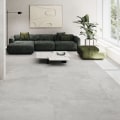
The Versatility of Gray Hardwood Floors
Gray hardwood floors have emerged as a popular choice among homeowners, thanks to their remarkable versatility and ability to complement a wide range of interior design styles. This neutral hue can effortlessly adapt to various aesthetics, making it a go-to option for those looking to create a cohesive and stylish environment.One of the primary reasons for the popularity of gray hardwood floors is their ability to serve as a blank canvas.Unlike more vibrant colors, gray allows other design elements—such as furniture, wall colors, and decor—to shine. This adaptability makes it suitable for both modern and traditional settings. For instance, in a contemporary home, gray floors can enhance sleek lines and minimalist decor, while in a rustic setting, they can provide a subtle contrast to natural wood beams and vintage furnishings.
Complementing Various Color Palettes
Gray hardwood floors work exceptionally well with an array of color palettes. They can harmonize with cool tones like blues and greens, creating a serene atmosphere.Alternatively, they can pair beautifully with warm hues such as yellows and reds, adding depth and warmth to the space. This flexibility allows homeowners to experiment with different color schemes without the fear of clashing.
Enhancing Natural Light
Another advantage of gray hardwood flooring is its ability to reflect light. Lighter shades of gray can brighten up a room, making it feel more spacious and inviting. This quality is particularly beneficial in smaller areas or spaces with limited natural light.By choosing gray floors, homeowners can create an illusion of openness while maintaining an elegant aesthetic.
Timeless Appeal
While trends in interior design may come and go, gray hardwood floors have proven to be a timeless choice. Their neutral nature ensures that they remain relevant regardless of changing styles. Whether you opt for a light ash gray or a deeper charcoal shade, these floors can adapt as your design preferences evolve over time.In conclusion, the versatility of gray hardwood floors makes them an excellent investment for any homeowner. Their ability to blend seamlessly with various design styles, complement diverse color palettes, enhance natural light, and maintain timeless appeal solidifies their status as a favored choice in the realm of flooring.Warmth and Boldness of Red Tones
When it comes to hardwood flooring, few colors evoke as much emotion and warmth as red tones.These rich hues can transform a space, adding a sense of boldness and vibrancy that few other colors can match. Red hardwood floors are not just a design choice; they are a statement that can define the character of your home.One of the most appealing aspects of red-toned hardwood floors is their ability to create a warm and inviting atmosphere. Shades like cherry, mahogany, and red oak bring a natural warmth that can make any room feel cozy and welcoming. This is particularly beneficial in spaces where you want to encourage relaxation and comfort, such as living rooms or bedrooms.
Incorporating Red Tones in Design
While red floors can be striking, they also require careful consideration when it comes to pairing them with other design elements.Here are some tips for effectively incorporating red tones into your home decor:
- Contrast with Neutrals: To allow the boldness of red floors to shine, consider using neutral wall colors such as whites, grays, or beiges. This contrast will help balance the intensity of the red while creating a harmonious look.
- Accent with Complementary Colors: Red pairs beautifully with colors like navy blue, forest green, or even soft pastels. Incorporating these shades through furniture, artwork, or accessories can enhance the overall aesthetic.
- Layer Textures: To soften the boldness of red hardwood floors, layer different textures in your decor. Use plush rugs, soft fabrics, and varied materials to create depth and interest in the space.
- Consider Lighting: The way light interacts with red tones can significantly affect their appearance.
Natural light can enhance the warmth of red floors, while artificial lighting may alter their hue. Be mindful of your lighting choices to ensure they complement your flooring.
When done right, they can serve as a stunning foundation for your home’s decor while providing an inviting atmosphere that welcomes family and friends alike.
Natural Wood Finishes: Subtle Elegance
When it comes to choosing hardwood flooring, natural wood finishes in medium brown tones stand out for their understated elegance and timeless appeal. These finishes not only enhance the beauty of the wood grain but also create a warm and inviting atmosphere in any space. Their versatility makes them a popular choice for homeowners looking to achieve a traditional aesthetic while maintaining a sense of modernity.One of the key advantages of natural wood floors is their ability to blend seamlessly with various design elements. Whether you are aiming for a rustic farmhouse look or a more refined traditional style, medium brown tones can complement a wide range of color palettes and furnishings.This adaptability is particularly beneficial in open-concept spaces where different areas need to flow together harmoniously.Natural wood finishes, such as oak, maple, and hickory, are often favored for their durability and resilience. These woods not only withstand the test of time but also develop a unique patina that enhances their character as they age. Homeowners appreciate that these floors can be refinished multiple times, allowing them to maintain their beauty for years without the need for complete replacement.In addition to their aesthetic benefits, medium brown hardwood floors offer practical advantages. They are less likely to show dirt and scratches compared to lighter shades, making them ideal for families with children or pets.
This practicality does not come at the expense of style; rather, it enhances the overall appeal of the flooring.For those who prefer a more traditional look, natural wood finishes can be paired with classic design elements such as crown molding, wainscoting, and antique furniture. The warmth of medium brown tones creates a cozy environment that invites relaxation and comfort. Furthermore, these floors can serve as a stunning backdrop for vibrant area rugs or decorative accents, allowing homeowners to express their personal style without overwhelming the space.In conclusion, natural wood finishes in medium brown tones offer a perfect blend of elegance and practicality. Their timeless appeal makes them an excellent choice for traditional design styles while providing the durability needed for everyday living.
As trends come and go, these classic flooring options remain a steadfast favorite among homeowners seeking both beauty and functionality in their spaces.
Choosing the Right Color for Your Space: Factors to Consider
When it comes to selecting the perfect hardwood floor color for your home, several factors come into play. Understanding these elements can help you make an informed decision that enhances your space and reflects your personal style.Room Size and Layout
The size and layout of a room significantly influence how a color will appear. Lighter shades tend to make a space feel larger and more open, which is ideal for smaller rooms or areas with limited natural light. Conversely, darker tones can create a cozy and intimate atmosphere, making them suitable for larger spaces where you want to foster warmth.Lighting Conditions
Natural and artificial lighting can dramatically alter the perception of color.Rooms with ample natural light can handle darker hues without feeling cramped, while those with less light may benefit from lighter options that reflect brightness. Consider testing samples in different lighting conditions throughout the day to see how the color changes.
Personal Style and Aesthetic
Your personal style plays a crucial role in choosing the right hardwood floor color. If you lean towards a modern aesthetic, you might prefer sleek gray or whitewashed finishes. On the other hand, traditionalists may gravitate towards rich browns or warm reds that evoke classic charm.Think about how the floor color will complement your existing decor and furniture.
Color Psychology
Color psychology is another important aspect to consider when selecting flooring. Different colors evoke various emotions and atmospheres:- Warm Tones: Colors like red, orange, and yellow can create feelings of warmth and comfort.
- Cool Tones: Shades of blue and green promote calmness and tranquility.
- Neutral Tones: Grays, whites, and beiges offer versatility and can adapt to changing decor styles.
Maintenance Considerations
Lastly, consider the maintenance requirements associated with different colors. Darker floors may show dust and scratches more readily than lighter options, which could influence your choice based on your lifestyle. If you have pets or children, opting for a medium-tone wood might provide a balance between aesthetics and practicality.In conclusion, choosing the right hardwood floor color involves careful consideration of room size, lighting conditions, personal style, color psychology, and maintenance needs.By taking these factors into account, you can select a flooring option that not only enhances your space but also aligns with your lifestyle.
<strong>Conclusion</strong>: The Lasting Impact of Hardwood Floor Colors on Home Design
In summary, the choice of hardwood floor colors plays a pivotal role in shaping the overall aesthetic and functionality of a home. Throughout this article, we have explored a variety of popular colors, each with its unique characteristics and appeal. From the classic warmth of medium brown tones to the modern elegance of whitewashed finishes, every color option offers distinct advantages that can enhance your living space.The impact of flooring choices extends beyond mere aesthetics; it influences the mood and atmosphere of a room. For instance, dark wood floors can create a sense of luxury and sophistication, while lighter shades can evoke feelings of openness and airiness.Additionally, colors like gray and black provide versatility and boldness, allowing homeowners to express their personal style in unique ways.Moreover, the right hardwood floor color can significantly affect how other design elements in your home interact with one another. A well-chosen floor color can harmonize with wall paint, furniture, and decor, creating a cohesive look that feels intentional and thoughtfully designed. Conversely, a poor choice may clash with existing elements, leading to a disjointed appearance.As we conclude our exploration of hardwood floor colors, it is essential to remember that these choices are not just about current trends but also about long-term satisfaction. Investing time in selecting the right color will pay off in the form of enhanced beauty and functionality in your home.Ultimately, whether you lean towards traditional browns or opt for something more daring like black or red tones, the key is to choose a color that resonates with your personal style while complementing your home's overall design.
The lasting impact of your flooring choice will be felt for years to come, making it a decision worth careful consideration.