When it comes to enhancing the value of your home, the significance of flooring cannot be overstated. Flooring serves as the foundation of your interior aesthetic, influencing not only the visual appeal but also the overall functionality of your living space. Potential buyers often form their first impressions based on the condition and style of the floors, making it a critical element in real estate valuation. A well-chosen flooring option can elevate a home’s ambiance, while outdated or damaged floors can detract from its worth.In today’s competitive housing market, homeowners are increasingly aware that investing in quality flooring is a smart strategy for maximizing property value.
Various flooring options exist, each with its unique benefits and drawbacks. From traditional hardwood to modern tiles and carpets, the choices can be overwhelming. However, understanding the importance of flooring goes beyond mere aesthetics; it encompasses durability, maintenance requirements, and how well each type can withstand daily wear and tear.Among these options, vinyl plank flooring has emerged as a popular choice for homeowners looking to enhance their spaces without incurring exorbitant costs. Its combination of affordability, resilience, and ease of installation makes it an attractive alternative to more expensive materials.
As we delve deeper into the world of flooring, it becomes clear that making informed decisions about your flooring can significantly impact your home’s marketability and long-term value.
What is Vinyl Plank Flooring?
Vinyl plank flooring is a versatile and increasingly popular choice among homeowners looking to enhance their living spaces. This type of flooring is designed to mimic the appearance of natural materials, such as hardwood or stone, while offering a range of practical benefits that make it an appealing option for various settings.At its core, vinyl plank flooring is made from synthetic materials, primarily polyvinyl chloride (PVC). This composition allows for a durable and resilient product that can withstand the rigors of daily life. The manufacturing process involves multiple layers, including a backing layer for stability, a core layer for durability, and a top wear layer that provides protection against scratches and stains.Types of Vinyl Flooring
- Luxury Vinyl Plank (LVP): This high-end option offers enhanced aesthetics and texture, closely resembling real wood or stone.
LVP is often thicker than standard vinyl planks, providing added comfort underfoot.
- Standard Vinyl Plank: Typically thinner and more budget-friendly, standard vinyl planks still offer a variety of designs but may not have the same level of durability or comfort as luxury options.
- Vinyl Composite Tile (VCT): While not technically planks, VCT is another form of vinyl flooring that comes in tile format. It is commonly used in commercial settings due to its affordability and ease of maintenance. While not technically planks, VCT is another form of vinyl flooring that comes in tile format. It is commonly used in commercial settings due to its affordability and ease of maintenance.
Benefits of Vinyl Plank Flooring
- Affordability: One of the most significant advantages of vinyl plank flooring is its cost-effectiveness. Compared to hardwood or stone options, vinyl planks are generally much more affordable, making them accessible for homeowners on a budget.
- Durability: Vinyl plank flooring is designed to withstand heavy foot traffic and resist scratches, dents, and stains. This durability makes it an excellent choice for families with children or pets.
- Water Resistance: Many vinyl plank products are water-resistant or even waterproof, making them suitable for areas prone to moisture, such as kitchens and bathrooms.
- Easy Installation: Vinyl planks can often be installed as a floating floor, meaning they do not require glue or nails.
This ease of installation can save both time and money on labor costs.
- Low Maintenance: Cleaning vinyl plank flooring is straightforward; regular sweeping and occasional mopping are usually sufficient to keep it looking new.
Comparing Vinyl Plank Flooring to Other Flooring Options
When considering new flooring for your home, it’s essential to weigh the options available. Vinyl plank flooring has gained popularity in recent years, but how does it stack up against other common choices like hardwood and laminate? Understanding the pros and cons of each can help homeowners make informed decisions that align with their needs and budget.Vinyl Plank vs. Hardwood
Hardwood flooring has long been revered for its timeless beauty and durability.However, it comes with a hefty price tag and requires significant maintenance. Here are some key points to consider:
- Cost: Hardwood floors can be expensive, often costing between $5 to $10 per square foot, not including installation. In contrast, vinyl plank flooring typically ranges from $2 to $7 per square foot.
- Maintenance: Hardwood requires regular refinishing and can be susceptible to scratches and dents. Vinyl plank is much easier to maintain; it only needs regular sweeping and occasional mopping.
- Water Resistance: While hardwood can warp or swell when exposed to moisture, vinyl plank is generally water-resistant, making it suitable for areas like kitchens and bathrooms.
- Aesthetic Appeal: Hardwood offers a classic look that many buyers appreciate, but luxury vinyl planks can mimic the appearance of wood quite convincingly.
Laminate vs.
Vinyl PlankLaminate flooring is another popular alternative that often gets compared to vinyl plank. Here’s how they differ:
- Durability: Both laminate and vinyl are durable options, but vinyl tends to be more resistant to moisture and scratches.
- Installation: Both types are relatively easy to install, but vinyl planks often come with a click-lock design that simplifies the process even further.
- Comfort: Vinyl plank flooring generally offers more cushioning underfoot compared to laminate, which can feel harder and less forgiving.
- Cost: Laminate is usually priced similarly to vinyl, but high-quality vinyl options may offer better long-term value due to their durability.
The Cost-Effectiveness of Vinyl Plank Flooring
When considering home renovations, one of the most significant factors homeowners evaluate is the cost associated with various options.Vinyl plank flooring stands out as a cost-effective solution that not only enhances the aesthetic appeal of a home but also offers substantial financial benefits.The average cost of vinyl plank flooring typically ranges from $2 to $7 per square foot, depending on the quality and brand. This price point makes it an attractive alternative to traditional hardwood flooring, which can cost anywhere from $5 to $15 per square foot, excluding installation. Additionally, the installation costs for vinyl plank flooring are generally lower, often ranging from $1 to $3 per square foot. This affordability allows homeowners to achieve a high-end look without straining their budgets.Moreover, vinyl plank flooring is known for its quick installation.
Many products come with a click-lock design that allows for easy DIY installation, further reducing labor costs. Homeowners who choose to install the flooring themselves can save hundreds of dollars, making it an even more appealing option.In terms of return on investment (ROI) , vinyl plank flooring can significantly increase a home's value. According to various real estate studies, homes with updated flooring tend to sell faster and at higher prices compared to those with outdated or worn-out floors. The ROI on new flooring can range from 70% to 80%, depending on the overall condition of the home and the local real estate market.Investing in vinyl plank flooring not only enhances the visual appeal of your home but also provides a practical solution that aligns with budget-conscious renovation strategies.
With its combination of affordability, ease of installation, and impressive ROI potential, vinyl plank flooring is a smart choice for homeowners looking to maximize their property value.
Durability and Maintenance of Vinyl Plank Flooring
When considering flooring options, the durability of vinyl plank flooring stands out as one of its most appealing features. Unlike traditional hardwood or laminate, vinyl plank flooring is engineered to withstand the rigors of daily life, making it an excellent choice for busy households.Durability of Vinyl Plank Flooring
Vinyl plank flooring is designed with multiple layers that contribute to its strength and resilience. The top layer is a wear layer that protects against scratches, dents, and stains, ensuring that your floors maintain their appearance over time. This makes vinyl particularly suitable for high-traffic areas such as living rooms, hallways, and kitchens.Moreover, vinyl plank flooring is water-resistant, which is a significant advantage in moisture-prone areas like bathrooms and basements.
While it can handle spills and splashes better than hardwood, it’s still essential to clean up excess water promptly to prevent any potential damage.
Maintenance Tips for Vinyl Floors
Maintaining vinyl plank flooring is straightforward and requires minimal effort. Here are some essential tips to keep your floors looking their best:
- Regular Cleaning: Sweep or vacuum regularly to remove dirt and debris that can scratch the surface. A damp mop with a mild cleaner specifically designed for vinyl can help maintain shine without damaging the floor.
- Avoid Harsh Chemicals: Steer clear of abrasive cleaners or those containing bleach, as they can degrade the wear layer over time.
- Use Furniture Pads: Place felt pads under furniture legs to prevent scratches and dents when moving items around.
- Address Spills Immediately: Wipe up spills as soon as they occur to prevent staining or slipping hazards.
Longevity of Vinyl Flooring
The lifespan of vinyl plank flooring can vary based on quality and maintenance but generally ranges from 10 to 25 years. High-quality luxury vinyl planks often come with warranties that reflect their durability, sometimes extending up to 30 years.
By following proper maintenance practices, homeowners can maximize the longevity of their floors while enjoying their aesthetic appeal.In summary, the combination of durability and low maintenance makes vinyl plank flooring an attractive option for homeowners looking to enhance their living spaces without the stress of extensive upkeep. With its ability to resist wear and tear while providing a stylish finish, it’s no wonder that vinyl plank flooring continues to gain popularity in home renovations.
Installation Process for Vinyl Plank Flooring
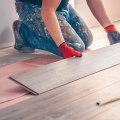
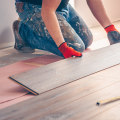
Installing vinyl plank flooring can be a rewarding project that enhances the aesthetic appeal and value of your home. Whether you choose to tackle this as a DIY project or hire professionals, understanding the installation process is crucial for achieving the best results.DIY Installation Tips
- Preparation: Before you begin, ensure that your subfloor is clean, dry, and level. Remove any old flooring and repair any imperfections in the subfloor to create a smooth surface for installation.
- Acclimation: Allow your vinyl planks to acclimate to the room's temperature and humidity for at least 48 hours before installation.
This helps prevent expansion or contraction after installation.
- Tools Needed: Gather essential tools such as a utility knife, measuring tape, straight edge, spacers, and a tapping block. Having the right tools on hand will streamline the process.
- Layout Planning: Plan your layout carefully. Start from the center of the room or a straight wall to ensure that your planks are aligned properly. Use spacers to maintain an expansion gap around the edges.
- Installation Method: Most vinyl plank flooring uses a click-lock system, making it easy to install without glue or nails.
Simply click the planks together, ensuring they fit snugly.
- Finishing Touches: Once all planks are installed, remove spacers and install baseboards or quarter rounds to cover the expansion gap and give your floor a polished look.
When to Hire Professionals
While many homeowners can successfully install vinyl plank flooring themselves, there are situations where hiring professionals may be beneficial:
- If you lack experience with flooring installations or DIY projects, professional installers can ensure that the job is done correctly and efficiently.
- If your subfloor requires extensive repairs or leveling, professionals have the expertise and tools necessary to handle these issues effectively.
- If you are short on time or prefer to avoid the hassle of installation, hiring experts can save you time and provide peace of mind.
Design Versatility: Choosing the Right Style and Color
When it comes to enhancing your home’s aesthetic appeal, vinyl plank flooring offers remarkable design versatility. With a wide array of styles and colors available, homeowners can easily find options that align with their personal taste and the overall theme of their home. This section will guide you through selecting the right style and color of vinyl flooring to ensure a cohesive and attractive look.Exploring Vinyl Plank Styles
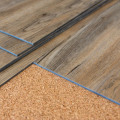
Vinyl plank flooring mimics the appearance of natural materials, particularly wood, making it an excellent choice for various design schemes.Here are some popular styles to consider:
- Wood-Look Vinyl: This style replicates the grain and texture of hardwood, providing a warm and inviting atmosphere. Available in various wood species, from oak to walnut, it can suit both traditional and modern interiors.
- Stone-Look Vinyl: For a more contemporary or rustic feel, stone-look vinyl planks can add a touch of elegance. They come in various finishes that resemble slate, marble, or limestone.
- Patterned Vinyl: If you want to make a bold statement, patterned vinyl planks can add visual interest. Geometric designs or intricate motifs can serve as a focal point in any room.
Choosing the Right Color
The color of your vinyl flooring plays a crucial role in setting the mood of your space.Here are some tips for selecting the right hue:
- Light Colors: Shades like pale oak or soft gray can make smaller spaces feel larger and more open. They also reflect light well, creating a bright and airy atmosphere.
- Dark Colors: Rich tones such as espresso or charcoal can add depth and sophistication to larger rooms. However, they may require more maintenance to keep them looking clean.
- Neutral Tones: Colors like beige or taupe offer versatility and can complement various decor styles. They serve as a great backdrop for colorful furnishings and accessories.
A cohesive color palette will enhance the overall aesthetic and create a harmonious flow throughout your space.
Design Tips for Home Renovation
To maximize the impact of your vinyl plank flooring during renovations, keep these design tips in mind:- Create Contrast: Pair light-colored flooring with darker furniture or vice versa to create visual interest.
- Consider Room Function: Choose styles and colors that suit the purpose of each room. For example, durable and water-resistant options are ideal for kitchens and bathrooms.
- Add Area Rugs: Use area rugs to define spaces within open floor plans while adding texture and warmth.
Environmental Considerations: Is Vinyl Flooring Eco-Friendly?
When considering new flooring options, many homeowners are increasingly concerned about the environmental impact of their choices. This is particularly true for vinyl plank flooring, which has garnered both praise and criticism in the realm of sustainability.Understanding the eco-friendliness of vinyl flooring requires a closer look at its materials, production processes, and lifecycle.
Materials and Production
Vinyl plank flooring is primarily made from polyvinyl chloride (PVC), a type of plastic. The production of PVC involves the extraction of fossil fuels, which raises concerns about its carbon footprint. However, advancements in manufacturing processes have led to more efficient production methods that reduce energy consumption and emissions. Some manufacturers are also incorporating recycled materials into their products, which can help mitigate the environmental impact.
Durability and Longevity
One of the significant advantages of vinyl plank flooring is its durability.
Unlike natural materials such as hardwood, which can warp or degrade over time, vinyl is resistant to scratches, stains, and moisture. This longevity means that vinyl floors do not need to be replaced as frequently, reducing waste in landfills. When properly maintained, vinyl flooring can last 10 to 20 years or more, making it a sustainable choice in terms of lifecycle.
Recyclability
Another aspect to consider is the recyclability of vinyl flooring. While traditional vinyl products have faced challenges in recycling due to contamination and lack of facilities, the industry is evolving.
Some companies are now offering take-back programs that allow consumers to return old vinyl flooring for recycling. This initiative not only helps reduce waste but also promotes a circular economy.
Comparative Eco-Friendliness
When comparing vinyl plank flooring to other materials like hardwood or laminate, it’s essential to consider the entire lifecycle. Hardwood floors require significant resources for harvesting and processing, often leading to deforestation and habitat loss. In contrast, vinyl can be produced with less environmental disruption.
Additionally, while laminate flooring may seem like an eco-friendly alternative due to its wood-based composition, it often contains adhesives and chemicals that can off-gas volatile organic compounds (VOCs), potentially harming indoor air quality.
Conclusion
In summary, while vinyl plank flooring does have some environmental drawbacks related to its production and material composition, its durability, longevity, and potential for recycling make it a viable option for eco-conscious homeowners. As with any flooring choice, it’s crucial to weigh the pros and cons carefully and consider how your decision aligns with your values regarding sustainability.
Common Myths About Vinyl Plank Flooring Debunked
When considering vinyl plank flooring, many potential buyers are often influenced by common myths and misconceptions. Understanding the truth behind these myths can help homeowners make informed decisions about their flooring choices. Here, we debunk some of the most prevalent myths surrounding vinyl plank flooring.- Myth 1: Vinyl Plank Flooring Is Cheap and Low-Quality
While it’s true that vinyl plank flooring is more affordable than hardwood, this does not mean it is of low quality.In fact, many luxury vinyl planks are designed to mimic the appearance of natural wood or stone, offering a high-end look at a fraction of the cost. These products are made with advanced technology that enhances their durability and aesthetic appeal.
- Myth 2: Vinyl Flooring Is Not Environmentally Friendly
Another misconception is that vinyl flooring is harmful to the environment. Many manufacturers now produce eco-friendly vinyl options that are free from harmful chemicals and are recyclable. Additionally, the longevity of vinyl flooring means it doesn’t need to be replaced as often, reducing waste over time. - Myth 3: Vinyl Plank Flooring Is Difficult to Maintain
On the contrary, one of the significant advantages of vinyl plank flooring is its low maintenance requirements.Regular sweeping and occasional mopping with a gentle cleaner are usually all that’s needed to keep it looking great. Unlike hardwood, which may require refinishing or special cleaning products, vinyl is designed for easy upkeep.
- Myth 4: Vinyl Flooring Is Only Suitable for Low-Traffic Areas
Many people believe that vinyl plank flooring is only appropriate for less-trafficked spaces like bedrooms or offices. However, modern vinyl planks are incredibly durable and can withstand heavy foot traffic, making them ideal for high-traffic areas such as living rooms, kitchens, and hallways. - Myth 5: Vinyl Plank Flooring Will Fade Over Time
While it’s true that some older vinyl products could fade with prolonged exposure to sunlight, today’s luxury vinyl planks come with UV protection that helps prevent fading. This means you can enjoy your beautiful floors without worrying about them losing their vibrancy.
It offers a combination of affordability, durability, and aesthetic appeal that makes it an excellent choice for any home renovation project.
Conclusion: Enhancing Your Home's Value with Vinyl Plank Flooring
In conclusion, vinyl plank flooring stands out as a remarkable choice for homeowners looking to enhance their property’s value. Throughout this article, we have explored various aspects of vinyl plank flooring, highlighting its affordability, durability, and aesthetic appeal. These factors make it an attractive option for both current homeowners and potential buyers.One of the most significant advantages of vinyl plank flooring is its cost-effectiveness. Compared to traditional hardwood floors, vinyl planks offer a similar look and feel at a fraction of the price.This affordability allows homeowners to invest in other areas of their home while still achieving a high-end appearance.Moreover, the durability of vinyl plank flooring cannot be overstated. Its resistance to scratches, dents, and moisture makes it an ideal choice for high-traffic areas such as kitchens and living rooms. Homeowners can enjoy peace of mind knowing that their floors will withstand the rigors of daily life without showing signs of wear.Another key point is the low maintenance required for vinyl plank flooring. Unlike hardwood, which demands regular refinishing and careful cleaning, vinyl planks can be easily maintained with simple sweeping and occasional mopping.
This ease of care not only saves time but also contributes to the overall appeal of the flooring.Furthermore, the installation process for vinyl plank flooring is relatively straightforward. Whether you choose to hire a professional or tackle the project yourself, the installation can often be completed in a fraction of the time it would take for hardwood floors. This efficiency can lead to quicker returns on your investment.Ultimately, choosing vinyl plank flooring is not just about aesthetics; it’s a strategic decision that can significantly boost your home’s market value. As we’ve discussed, its combination of affordability, durability, and low maintenance makes it a smart investment for any homeowner looking to maximize their property’s worth.In summary, if you’re considering a home renovation that will yield substantial returns, look no further than vinyl plank flooring.
It offers an excellent balance of style and functionality that appeals to a wide range of buyers in today’s real estate market.