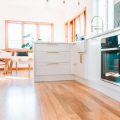
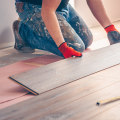
When it comes to selling a home, the importance of flooring cannot be underestimated. Flooring is not merely a functional element; it plays a pivotal role in shaping the overall aesthetic and ambiance of a living space. Potential buyers often form their first impressions based on the condition and style of the floors, making it a critical factor in their decision-making process. A well-maintained floor can evoke feelings of warmth and comfort, while outdated or damaged flooring can create a negative perception, leading buyers to question the overall upkeep of the property.The relationship between flooring and home value is profound.
Quality flooring options can significantly enhance a home's marketability, often translating into higher offers and quicker sales. For instance, homes featuring hardwood or high-quality tile floors are frequently associated with luxury and durability, which can command premium prices in the real estate market. Conversely, less desirable flooring materials may raise red flags for buyers, prompting them to negotiate lower prices or even walk away from a property altogether.Moreover, flooring choices can also impact other resale value factors such as energy efficiency and maintenance costs. Eco-friendly or low-maintenance flooring options are increasingly appealing to budget-conscious buyers who prioritize sustainability and long-term savings.
As homeowners become more discerning about their investments, selecting the right flooring becomes essential not only for enhancing aesthetic appeal but also for maximizing resale potential. In this article, we will delve into various flooring options that can elevate your living environment while ensuring a strong return on investment.
Top Flooring Options for Maximizing Resale Value
When it comes to enhancing the resale value of your home, selecting the right flooring is crucial. The flooring you choose not only impacts the aesthetic appeal of your space but also plays a significant role in attracting potential buyers. Here’s a detailed overview of some of the best flooring options that can maximize your home’s resale value.- Hardwood Flooring : Renowned for its timeless elegance, hardwood flooring is often considered the gold standard in residential flooring.
Its natural beauty and durability make it a highly sought-after option among buyers. With proper maintenance, hardwood floors can last for decades, providing a high return on investment (ROI) of up to 80% or more. Additionally, hardwood is versatile, available in various species and finishes that can complement any interior design.
- Engineered Wood Flooring : For those who love the look of hardwood but are concerned about budget constraints, engineered wood offers a cost-effective alternative. This type of flooring features a thin veneer of real wood over layers of plywood or high-density fiberboard, providing similar aesthetics at a lower price point.
Engineered wood is also more resistant to moisture and warping, making it suitable for various climates.
- Luxury Vinyl Plank (LVP) : LVP has gained popularity due to its affordability and versatility. It mimics the appearance of natural materials like wood and stone while offering practical advantages such as water resistance and high durability. Many luxury vinyl products are designed to withstand heavy foot traffic and are easy to maintain, making them an attractive option for busy households.
- Ceramic and Porcelain Tile : These tiles are excellent choices for areas prone to moisture, such as kitchens and bathrooms. They come in a wide variety of designs, colors, and patterns, allowing homeowners to create unique looks that appeal to potential buyers.
Both ceramic and porcelain tiles are durable and easy to clean, which adds to their desirability in the real estate market.
Hardwood Flooring: The Timeless Choice
When it comes to flooring options that can significantly enhance the value of your home, hardwood flooring stands out as a timeless choice. Its unique combination of aesthetic appeal, durability, and market demand makes it a preferred option for many homeowners and potential buyers alike.Benefits of Hardwood Flooring
- Aesthetic Appeal: One of the most compelling reasons to choose hardwood is its natural beauty. The rich colors and unique grain patterns of hardwood floors can complement a variety of interior design styles, from rustic to contemporary.
This versatility not only enhances the overall look of a home but also creates a warm and inviting atmosphere that resonates with potential buyers.
- Durability: Hardwood floors are renowned for their longevity. With proper care and maintenance, they can last for decades, making them a wise investment. Unlike other flooring types that may require frequent replacement, hardwood can withstand heavy foot traffic and resist wear and tear. Scratches and dents can often be sanded out or refinished, allowing homeowners to restore their floors to like-new condition.
- Market Demand: The demand for hardwood flooring remains robust in the real estate market.
Many buyers actively seek homes with hardwood floors due to their aesthetic qualities and durability. Studies indicate that homes featuring hardwood flooring can command higher prices compared to those with other types of flooring, translating into a higher resale value.
Hardwood vs. Other Flooring Options
While there are various flooring materials available, hardwood consistently outperforms many alternatives in terms of resale value and buyer preference. For instance:
- Carpet: Although carpet may offer comfort underfoot, it lacks the durability and longevity of hardwood.
Additionally, carpets can trap allergens and require regular cleaning, which may deter potential buyers.
- Laminates: While laminate flooring can mimic the appearance of hardwood at a lower price point, it does not provide the same level of durability or aesthetic appeal. Many buyers recognize the difference between laminate and genuine hardwood, often leading them to favor homes with authentic wood floors.
- Vinyl Flooring: Although luxury vinyl options have gained popularity due to their affordability and water resistance, they still fall short in terms of the timeless appeal that hardwood offers. Buyers often perceive hardwood as a premium feature that adds significant value to a home.
Installation Considerations
While the benefits of hardwood flooring are clear, it’s essential to consider the installation process as well. Professional installation is recommended to ensure that the floors are laid correctly and will perform well over time.
Although the initial cost of hardwood may be higher than other flooring options, many homeowners find that the long-term benefits—both in terms of durability and resale value—far outweigh these upfront expenses.In conclusion, investing in hardwood flooring is not just about enhancing your home’s aesthetic appeal; it’s also a strategic move that can significantly boost your property’s resale value. With its enduring beauty, exceptional durability, and strong market demand, hardwood remains a top choice for homeowners aiming to maximize their investment.
Engineered Wood Flooring: A Practical Alternative
When it comes to flooring options that offer both aesthetic appeal and practicality, engineered wood flooring stands out as a compelling choice for homeowners. This innovative flooring solution combines the beauty of natural wood with enhanced stability and moisture resistance, making it an ideal alternative to traditional hardwood.Benefits of Engineered Wood Flooring
- Cost-Effectiveness: One of the most significant advantages of engineered wood is its affordability. Typically priced 30% lower than solid hardwood, it provides a similar luxurious appearance without straining your budget.
This makes it particularly appealing for homeowners looking to maximize their investment while keeping costs manageable.
- Stability: Engineered wood is constructed from multiple layers of wood veneer, bonded together in a cross-grain pattern. This design enhances its stability, reducing the risk of warping or shrinking due to changes in humidity and temperature. As a result, engineered wood performs exceptionally well in various climates, making it suitable for any home.
- Moisture Resistance: Unlike solid hardwood, which can be susceptible to moisture damage, engineered wood is designed to withstand exposure to humidity. This makes it an excellent choice for areas prone to spills or high moisture levels, such as kitchens and basements.
- Variety of Styles: Engineered wood is available in a wide range of finishes, colors, and textures.
Homeowners can choose from various species of wood, allowing them to achieve their desired aesthetic without compromising on quality. Whether you prefer the rustic charm of oak or the sleek elegance of maple, there’s an engineered wood option to suit your style.
Engineered Wood vs. Hardwood
While solid hardwood has long been regarded as the gold standard in flooring, engineered wood offers several advantages that make it a more practical choice for many homeowners:
- Durability: Engineered wood can withstand moisture better than solid hardwood, making it ideal for areas where spills are common. Its layered construction provides added strength and resilience against everyday wear and tear.
- Sustainability: The production of engineered wood often uses less timber than solid hardwood, making it a more environmentally friendly option.
Homeowners looking to reduce their ecological footprint may find this aspect particularly appealing.
- Resale Value: Although solid hardwood may have a slight edge in perceived value, high-quality engineered wood can still attract buyers and enhance resale value when installed properly. Many potential buyers appreciate the look and performance of engineered wood, making it a smart investment.
Luxury Vinyl Plank (LVP): Affordable and Versatile
Luxury vinyl plank (LVP) flooring has rapidly gained traction among homeowners seeking a stylish yet budget-friendly flooring solution. Its unique combination of affordability, durability, and aesthetic appeal makes it an excellent choice for various areas in the home.Benefits of Luxury Vinyl Plank
- Affordability: One of the standout features of LVP is its cost-effectiveness.
Typically priced significantly lower than traditional hardwood or tile, luxury vinyl planks provide a similar look without the hefty price tag. This makes it an ideal option for homeowners looking to enhance their spaces without overspending.
- Durability: LVP is engineered to withstand the rigors of daily life. Its robust construction allows it to resist scratches, dents, and stains, making it suitable for high-traffic areas such as living rooms and hallways. This durability ensures that your floors will maintain their appearance over time, even in busy households.
- Water Resistance: Many luxury vinyl plank products are designed to be waterproof, making them perfect for moisture-prone areas like kitchens and bathrooms.
This feature helps prevent warping and damage that can occur with other flooring types, providing peace of mind for homeowners.
- Easy Maintenance: Cleaning LVP is straightforward and hassle-free. Regular sweeping and occasional mopping are usually all that’s needed to keep your floors looking pristine. This low-maintenance requirement is particularly appealing to busy families or those who prefer a more hands-off approach to home upkeep.
- Diverse Styles: LVP comes in an extensive array of colors, patterns, and textures, allowing homeowners to achieve their desired aesthetic effortlessly. Whether you prefer the rustic charm of wood or the sleek elegance of stone, there’s an LVP option to match your style.
LVP Resale Value
When considering flooring options that can enhance resale value, luxury vinyl plank stands out as a smart investment.
While it may not yield the same return as hardwood floors, LVP can still attract potential buyers due to its modern appeal and practical benefits. Homebuyers often appreciate the low maintenance and durability associated with LVP, which can make your home more attractive in a competitive market.
LVP Installation Tips
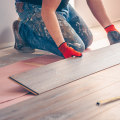
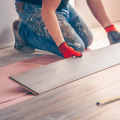
If you decide to install luxury vinyl planks in your home, here are some essential tips to ensure a successful project:
- Prepare the Subfloor: Ensure that your subfloor is clean, dry, and level before installation. Any imperfections can affect the final appearance of your LVP.
- Acclimate the Planks: Allow your luxury vinyl planks to acclimate in the room where they will be installed for at least 48 hours. This helps prevent expansion or contraction after installation.
- Use Proper Tools: Invest in quality tools such as a utility knife, straight edge, and measuring tape to ensure precise cuts and measurements during installation.
- Follow Manufacturer Instructions: Each brand may have specific installation guidelines.
Always refer to these instructions for best results.
Tile Flooring: Ceramic and Porcelain Options
Ceramic and porcelain tiles are two of the most sought-after flooring options for homeowners looking to combine durability with aesthetic appeal. Both materials offer unique benefits that can significantly enhance the overall look and functionality of your home, making them excellent choices for maximizing resale value.Benefits of Ceramic Tile
Ceramic tiles are renowned for their strength and versatility. Here are some key advantages:- Durability: Ceramic tiles are designed to withstand heavy foot traffic, making them ideal for high-traffic areas such as kitchens, hallways, and entryways.
- Water Resistance: One of the standout features of ceramic tiles is their ability to resist moisture.
This makes them an excellent choice for bathrooms and laundry rooms where water exposure is common.
- Easy Maintenance: Cleaning ceramic tiles is straightforward; regular sweeping and mopping are usually sufficient to keep them looking new. This low maintenance requirement is a significant advantage for busy households.
- Variety of Designs: Available in countless colors, patterns, and textures, ceramic tiles can mimic the look of natural stone or wood, allowing homeowners to achieve their desired aesthetic without compromising on durability.
Porcelain Tile vs. Ceramic Tile
While both ceramic and porcelain tiles share many similarities, there are key differences that may influence your choice:- Composition: Porcelain tiles are made from finer clay and fired at higher temperatures than ceramic tiles, resulting in a denser and less porous material.
- Durability: Porcelain tiles are generally more durable than ceramic tiles, making them suitable for both indoor and outdoor use. They are less likely to chip or crack under pressure.
- Water Absorption: Porcelain has a lower water absorption rate compared to ceramic, making it an excellent choice for areas prone to moisture.
- Cost: Typically, porcelain tiles are more expensive than ceramic tiles due to their manufacturing process and durability.
Tile Flooring Resale Value
Investing in tile flooring can significantly enhance your home's resale value.Potential buyers often appreciate the durability and low maintenance associated with tile floors. Additionally, the aesthetic versatility allows homeowners to create stylish spaces that appeal to a broad audience. According to various real estate studies, homes featuring high-quality tile flooring tend to sell faster and at higher prices compared to those with less desirable flooring options.In conclusion, whether you choose ceramic or porcelain tile, both options provide exceptional durability, style, and value. By selecting the right type of tile for your home, you can create beautiful spaces that not only meet your needs but also attract future buyers when it comes time to sell.
Laminate Flooring: Pros and Cons for Resale Value
When it comes to choosing flooring options, laminate flooring has gained popularity among homeowners due to its affordability and ease of installation.However, understanding the pros and cons of laminate flooring is crucial, especially when considering its potential impact on resale value.
Advantages of Laminate Flooring
- Cost-Effective: One of the most appealing aspects of laminate flooring is its price. Typically, laminate costs significantly less than hardwood or tile, making it an attractive option for budget-conscious homeowners. This affordability allows homeowners to achieve a stylish look without overspending.
- Easy Installation: Laminate flooring is designed for straightforward installation. Many products feature a click-lock system that allows for quick assembly without the need for glue or nails.
This ease of installation can save both time and labor costs, making it a popular choice for DIY enthusiasts.
- Diverse Aesthetic Options: Laminate flooring comes in a wide variety of styles, colors, and textures. Homeowners can find options that mimic the appearance of natural wood or stone, allowing them to achieve their desired aesthetic without sacrificing quality.
- Durability: Laminate is engineered to withstand heavy foot traffic and resist scratches, dents, and stains. This durability makes it suitable for busy households with children and pets.
Disadvantages of Laminate Flooring
- Perceived Value: While laminate offers many practical benefits, it may not carry the same perceived value as hardwood or tile. Potential buyers often view laminate as a less desirable option compared to more traditional flooring materials.
- Limited Lifespan: Although laminate is durable, it typically has a shorter lifespan than hardwood or tile.
While high-quality laminate can last up to 15 years with proper care, it may need replacement sooner than other flooring types.
- Sensitivity to Moisture: Laminate flooring can be susceptible to moisture damage if not properly installed or maintained. Areas prone to spills or high humidity may not be ideal for laminate, as excessive moisture can lead to warping or buckling.
Laminate vs. Other Flooring Types
When comparing laminate flooring to other options like hardwood or tile, it's essential to consider both the initial investment and long-term value. While laminate is more affordable upfront, hardwood often provides a higher return on investment due to its durability and timeless appeal.
Tile offers exceptional water resistance and longevity but comes at a higher price point.
Impact on Resale Value
The impact of laminate flooring on resale value can vary significantly based on market trends and buyer preferences. In some cases, homes with high-quality laminate may still attract buyers due to its modern look and low maintenance requirements. However, in competitive markets where buyers prioritize premium materials like hardwood or tile, laminate may not enhance resale value as effectively.In conclusion, while laminate flooring presents several advantages such as affordability and ease of installation, its impact on resale value should be carefully considered. Homeowners should weigh these factors against their long-term goals and the preferences of potential buyers in their area.
Eco-Friendly Flooring Options: Sustainability Meets Style
As the demand for sustainable living continues to rise, eco-friendly flooring options have gained significant traction among homeowners and buyers alike.These flooring materials not only contribute to a healthier environment but also enhance the aesthetic appeal of your home, making them an attractive choice for those looking to maximize resale value.
Benefits of Eco-Friendly Flooring
- Sustainability: Eco-friendly flooring options are often made from renewable resources, reducing the environmental impact associated with traditional flooring materials. For instance, bamboo and cork are rapidly renewable resources that can be harvested without causing harm to the environment.
- Indoor Air Quality: Many sustainable flooring materials are free from harmful chemicals and toxins, contributing to better indoor air quality. This is particularly important for families with children or individuals with allergies.
- Durability: Eco-friendly flooring options, such as reclaimed wood or high-quality bamboo, are often more durable than their conventional counterparts. This longevity means less frequent replacements, which is both cost-effective and environmentally friendly.
- Energy Efficiency: Some eco-friendly flooring materials can help improve a home's energy efficiency.
For example, cork has natural insulating properties that can help regulate temperature, potentially lowering heating and cooling costs.
Popular Eco-Friendly Flooring Options
- Bamboo Flooring: Bamboo is a highly sustainable option due to its rapid growth rate. It offers a similar aesthetic to hardwood while being more resistant to moisture and wear.
- Cork Flooring: Harvested from the bark of cork oak trees, cork is another renewable resource. Its natural cushioning makes it comfortable underfoot and an excellent insulator.
- Reclaimed Wood: Using reclaimed wood not only reduces waste but also adds character and history to your home. Each piece tells a story, making it a unique choice for flooring.
- Linoleum: Made from natural materials like linseed oil, cork dust, and wood flour, linoleum is biodegradable and offers a wide range of colors and patterns.
As more people prioritize sustainability in their purchasing decisions, having green building materials can significantly enhance your home's marketability and resale value.
Choosing the Right Flooring for Your Home: Factors to Consider
Choosing the right flooring for your home is a crucial decision that can significantly impact both the aesthetic appeal and functionality of your living space. Several factors should be considered to ensure that your flooring choice aligns with your home’s style, your budget, and your lifestyle needs.1.Home Style Compatibility
- Traditional Homes: For classic or traditional homes, hardwood flooring is often the preferred choice due to its timeless elegance. Rich wood tones can enhance the warmth and character of these spaces.
- Modern Homes: In contemporary settings, sleek options like luxury vinyl plank or polished concrete can provide a clean, minimalist look that complements modern design elements.
- Rustic or Farmhouse Styles: If you’re aiming for a cozy, rustic feel, consider distressed hardwood or laminate that mimics reclaimed wood. These options add charm and character to farmhouse-style homes.
2.Budget Considerations
Your budget will play a significant role in determining which flooring options are viable for your home.
While hardwood and porcelain tiles may offer high resale value, they often come with a higher price tag. On the other hand, laminate and luxury vinyl plank provide cost-effective alternatives without sacrificing style. It’s essential to balance quality with affordability to ensure you make a sound investment.
3.Climate and Environmental Factors
- Moisture Levels: In areas with high humidity or moisture, such as basements or bathrooms, opt for water-resistant materials like tile or luxury vinyl plank to prevent damage.
- Temperature Fluctuations: If you live in a region with extreme temperature changes, engineered wood may be a better choice than solid hardwood, as it is less prone to warping.
4.Lifestyle Needs
Your daily activities and family dynamics should also influence your flooring choice. For families with children or pets, durable options like tile or luxury vinyl are ideal due to their resistance to scratches and stains.
If you prefer low-maintenance solutions, consider materials that require minimal upkeep, such as laminate or sealed tiles.Ultimately, selecting the right flooring involves careful consideration of these factors to create a harmonious living environment that meets both your aesthetic desires and practical needs.
<strong>Conclusion</strong>: Making Informed Flooring Choices for Maximum Resale Value
In conclusion, the flooring choices you make for your home play a pivotal role in determining its resale value. Throughout this article, we have explored various flooring options, each with unique benefits and considerations that can significantly impact your property’s marketability.Flooring Choices Summary:
- Hardwood Flooring: Renowned for its timeless beauty and durability, hardwood flooring remains a top choice among buyers. Its ability to last for decades and its high return on investment make it a wise selection for homeowners looking to enhance their property’s appeal.
- Engineered Wood: This cost-effective alternative to solid hardwood offers similar aesthetics while providing greater stability and moisture resistance. Engineered wood is an excellent option for those seeking quality without the higher price tag.
- Luxury Vinyl Plank (LVP): With its affordability and versatility, LVP has become increasingly popular.
Its waterproof features and wide range of styles make it suitable for various areas in the home, appealing to budget-conscious buyers.
- Ceramic and Porcelain Tile: These durable options are perfect for moisture-prone areas like kitchens and bathrooms. Their easy maintenance and variety of designs can attract potential buyers looking for stylish yet practical flooring solutions.
Resale Value Recap:
Investing in quality flooring can lead to a significant increase in your home’s resale value. Buyers often prioritize homes with well-maintained, aesthetically pleasing floors, which can lead to quicker sales and higher offers. The right flooring not only enhances the visual appeal of your space but also signals to potential buyers that the home has been cared for.
Final Thoughts on Flooring:
Ultimately, making informed decisions about your flooring choices is crucial for maximizing resale value.
Consider factors such as durability, maintenance, and aesthetic appeal when selecting flooring materials. By investing in high-quality options that align with current market trends, you can create a welcoming environment that resonates with potential buyers and enhances your home’s overall value.