When it comes to enhancing the overall value of your home, few elements are as impactful as flooring. The type, condition, and aesthetic appeal of your floors can significantly influence a potential buyer's perception and willingness to invest in your property. In fact, many real estate experts agree that flooring is one of the first aspects that buyers notice when they enter a home. This initial impression can set the tone for their entire experience, making it crucial to understand the importance of flooring in relation to home value.New flooring not only revitalizes the look of a space but also serves as a reflection of the home's overall maintenance and care.
Buyers often associate well-maintained floors with a well-maintained home, which can lead to higher offers and quicker sales. Conversely, outdated or damaged flooring can deter potential buyers, leading them to question the integrity of the property as a whole. Therefore, investing in new flooring is not merely an aesthetic choice; it is a strategic decision that can yield substantial returns.Moreover, the variety of flooring options available today allows homeowners to tailor their choices to fit both their personal style and market trends. From luxurious hardwoods that exude elegance to durable vinyl options that offer practicality, each type of flooring has its unique advantages.
Understanding these options and how they align with buyer preferences can further enhance your home's marketability. As we delve deeper into this topic, we will explore how specific flooring choices can elevate your home's appeal and ultimately contribute to its value.
How New Flooring Increases Home Value
Investing in new flooring is not just about aesthetics; it can significantly enhance the overall value of your home. When potential buyers walk through a property, the condition and style of the flooring often leave a lasting impression. In fact, studies have shown that homes with updated flooring can see an increase in value ranging from 10% to 54% , depending on various factors such as location, market conditions, and the type of flooring installed.One of the primary reasons new flooring can elevate a home's market value is its ability to create a welcoming atmosphere.Buyers are more inclined to make higher offers on homes that feature modern, well-maintained floors. Conversely, outdated or damaged flooring can deter potential buyers, leading them to reconsider their offers or negotiate for lower prices.
Understanding ROI on Flooring Investments
The return on investment (ROI) for new flooring is another critical aspect to consider. Homeowners can typically expect an ROI of around 70% when they install new floors. For instance, if you invest $10,000 in new flooring, you could potentially see an increase in your home's value by approximately $7,000.This statistic highlights the financial benefits of upgrading your floors, making it a wise investment for homeowners looking to sell.
Buyer Preferences and Flooring Choices
When it comes to buyer preferences, certain types of flooring tend to be more appealing than others. Hardwood floors remain a top choice due to their durability and timeless appeal. They not only add elegance but also fit seamlessly into various home styles—from traditional to contemporary. Other popular options include luxury vinyl plank and tile, which offer versatility and are often more budget-friendly while still providing a high-end look.Ultimately, the decision to invest in new flooring should be based on both personal taste and market trends.By selecting the right type of flooring and ensuring professional installation, homeowners can maximize their investment and enhance their property's value significantly.
Types of Flooring That Add Value
When considering flooring options that can enhance the value of your home, it’s essential to evaluate the various materials available. Each type of flooring has its unique benefits and drawbacks, which can significantly influence potential buyers' perceptions and your home's overall marketability.Hardwood Flooring
Hardwood flooring
is often regarded as the gold standard in flooring options. Its natural beauty, durability, and timeless appeal make it a favorite among homebuyers. Hardwood floors can increase a home's value by as much as 10% to 15%, depending on the quality and type of wood used.
Additionally, hardwood is versatile, complementing various interior styles from traditional to modern.
Laminate Flooring
Laminate flooring
has gained popularity as a cost-effective alternative to hardwood. While it may not offer the same level of authenticity or longevity, high-quality laminate can mimic the appearance of wood or stone quite convincingly. Laminate is resistant to scratches and stains, making it an excellent choice for families with children or pets. However, it typically does not add as much value as hardwood; buyers may appreciate its affordability but might not be willing to pay a premium for it.
Tile Flooring
Tile flooring
, particularly ceramic and porcelain tiles, is another excellent option for adding value to your home.
Tiles are incredibly durable and water-resistant, making them ideal for kitchens and bathrooms. They come in various styles, colors, and patterns, allowing homeowners to customize their spaces easily. High-quality tile installations can significantly enhance a home's appeal, especially in areas prone to moisture.
Carpet Flooring
Carpet flooring
offers warmth and comfort but may not add as much value as other flooring types. While new carpet can improve a room's aesthetic and feel cozy underfoot, many buyers prefer hard surfaces due to their ease of maintenance and durability.
If you choose carpet, opt for high-quality materials in neutral colors to appeal to a broader audience.
Conclusion
Ultimately, the best flooring choice for adding value to your home depends on your specific circumstances, including your budget and the style of your home. While hardwood remains a top contender for increasing property value, laminate, tile, and even carpet can also play significant roles when chosen wisely. Always consider the preferences of potential buyers in your area when making your decision.The Role of Professional Installation
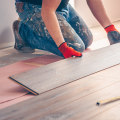
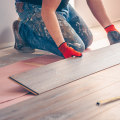
When it comes to enhancing your home with new flooring, the significance of professional installation cannot be overstated. While many homeowners may consider a DIY approach to save costs, the reality is that hiring experts can make a substantial difference in both the quality of the installation and the overall value added to your home.Benefits of Hiring Experts
- Expertise and Experience: Professional installers bring years of experience and specialized knowledge to the table.
They understand the nuances of different flooring materials, ensuring that each type is installed correctly to maximize durability and aesthetic appeal.
- Precision and Quality: Flooring installation requires precision. Professionals have the right tools and techniques to ensure that every plank or tile is laid perfectly, reducing the risk of gaps, uneven surfaces, or other issues that can arise from improper installation.
- Time Efficiency: A professional team can complete the job much faster than an inexperienced homeowner. This efficiency not only saves time but also minimizes disruption in your home.
- Warranty Protection: Many flooring manufacturers require professional installation to maintain warranties. By hiring experts, you ensure that your investment is protected against defects or issues that may arise later.
Installation Tips
If you decide to hire a professional for your flooring project, here are some tips to help you select a qualified contractor:
- Research and Reviews: Start by researching local contractors.
Look for reviews on platforms like Google, Yelp, or Angie's List. Pay attention to feedback regarding their workmanship and customer service.
- Ask for References: A reputable contractor should be able to provide references from previous clients. Contact these references to inquire about their experiences and satisfaction with the work performed.
- Get Multiple Quotes: Don’t settle for the first estimate you receive. Obtain quotes from several contractors to compare pricing and services offered.
This will give you a better understanding of the market rate for your project.
- Check Credentials: Ensure that the contractor is licensed, insured, and bonded. This protects you from liability in case of accidents during installation and ensures that they meet industry standards.
- Discuss Your Vision: Communicate your goals clearly with potential contractors. A good installer will listen to your needs and offer suggestions based on their expertise.
Cost Considerations for New Flooring
When considering new flooring, understanding the costs involved is crucial for effective budgeting.The price of flooring can vary significantly based on the type of material, the size of the area to be covered, and the complexity of the installation process. Here’s a breakdown of what you can expect.
Types of Flooring and Their Costs
- Hardwood Flooring: This classic choice typically ranges from $5 to $15 per square foot, depending on the wood species and finish. Installation costs can add another $3 to $8 per square foot.
- Laminates: A more budget-friendly option, laminate flooring usually costs between $1 to $5 per square foot. Installation is often simpler, costing around $1 to $3 per square foot.
- Tile: Ceramic or porcelain tiles can range from $1 to $20 per square foot, with installation costs varying from $4 to $10 per square foot based on the complexity of the layout.
- Vinyl Flooring: Vinyl planks or sheets are affordable, generally costing between $2 to $7 per square foot.
Installation costs are similar to laminate, around $1 to $3 per square foot.
- Carpet: Prices for carpet can range from $2 to $10 per square foot, with installation costs typically between $1 and $4 per square foot.
Budgeting for Your Flooring Project
To effectively budget for your flooring project, consider not only the material costs but also additional expenses such as:- Underlayment: Necessary for certain types of flooring, this can add an extra $0.50 to $2 per square foot.
- Removal of Old Flooring: If you need to remove existing flooring, this could cost anywhere from $1 to $3 per square foot.
- Repairs: Any necessary repairs to the subfloor or other structural elements should also be factored into your budget.
Cost vs. Value
The relationship between cost and value is essential when investing in new flooring. While higher-end materials may require a larger initial investment, they often provide better durability and aesthetic appeal, which can enhance your home’s resale value. On average, homeowners can expect a return on investment (ROI) of about 70% when upgrading their floors.This means that spending wisely on quality materials can lead to significant gains when it comes time to sell your home.In conclusion, understanding the cost considerations associated with new flooring is vital for homeowners looking to enhance their living spaces while also maximizing potential returns. By carefully evaluating your options and planning your budget accordingly, you can make informed decisions that align with both your financial goals and aesthetic preferences.
Maintaining Your New Floors for Long-Term Value
Investing in new flooring is a significant decision that can enhance the aesthetic appeal and value of your home. However, to ensure that your investment pays off in the long run, it is crucial to maintain your floors properly. Here are some essential tips for preserving the beauty and longevity of your new floors.Regular Cleaning
One of the most effective ways to maintain your floors is through regular cleaning.Depending on the type of flooring you have, the cleaning methods may vary:
- Hardwood Floors: Use a soft-bristle broom or a microfiber mop to remove dust and debris. For deeper cleaning, a damp mop with a pH-neutral cleaner specifically designed for hardwood is recommended.
- Laminate Floors: Similar to hardwood, laminate floors benefit from regular sweeping or vacuuming. Avoid using excessive water, as it can seep into seams and cause damage.
- Tile Floors: Regularly sweep or vacuum to prevent dirt buildup. For a thorough clean, use a tile cleaner and a mop, ensuring to dry the floor afterward to prevent slipping.
Protective Measures
Taking preventive steps can significantly extend the life of your flooring:- Use Area Rugs: Place area rugs in high-traffic zones to protect against wear and tear.
This is especially important for hardwood and laminate floors.
- Furniture Pads: Attach felt pads under furniture legs to prevent scratches and dents when moving items around.
- Shoe Policy: Consider implementing a no-shoes policy in your home or provide shoe covers for guests to minimize dirt and damage.
Humidity Control
Maintaining an appropriate level of humidity in your home is vital for certain types of flooring, particularly hardwood. Excessive moisture can lead to warping, while too little can cause cracking. Aim for a humidity level between 30% and 50% using humidifiers or dehumidifiers as needed.Prompt Repairs
If you notice any damage, such as scratches or loose tiles, address these issues promptly. Small repairs can prevent larger problems down the line and help maintain the overall appearance of your floors.By following these maintenance tips, you can ensure that your new floors remain in excellent condition for years to come, preserving their value and enhancing the overall appeal of your home.FAQs About Flooring and Home Value
When it comes to flooring and its impact on home value, homeowners often have numerous questions.Below are some of the most frequently asked questions that can help clarify common misconceptions and provide valuable insights.
What type of flooring adds the most value to a home?
Hardwood flooring is widely regarded as one of the best options for increasing a home's value. Its timeless appeal, durability, and versatility make it a favorite among buyers. Other popular choices include luxury vinyl plank and tile, which can also offer significant aesthetic and functional benefits without the higher price tag of hardwood.Is it worth investing in new flooring before selling my home?
Absolutely! Investing in new flooring can yield a substantial return on investment (ROI). Many real estate experts suggest that new floors can increase your home's value by as much as 10% to 54%, depending on the type of flooring and the overall condition of your home.Buyers are often willing to pay more for homes with modern, well-maintained floors.
Can I install flooring myself to save money?
While DIY installation may seem like a cost-effective solution, it can lead to costly mistakes if not done correctly. Professional installation ensures that the flooring is laid properly, which can prevent future issues such as warping or uneven surfaces. Additionally, many manufacturers require professional installation for warranty coverage.Are there any flooring options that are better for resale value?
- Hardwood: Known for its elegance and durability.
- Laminates: Affordable and available in various styles.
- Luxury Vinyl: Offers the look of hardwood or tile at a lower cost.
What are some common myths about flooring?
- Myth: All flooring types are equally valuable.
- Fact: Different materials have varying impacts on home value.
- Myth: Carpet is always cheaper than hard surfaces.
- Fact: While initial costs may be lower, carpets often require more maintenance and replacement.
Conclusion: The Lasting Impact of New Flooring on Your Home's Value
In conclusion, the decision to invest in new flooring is not merely a cosmetic upgrade; it is a strategic move that can significantly enhance your home’s value and appeal.As we have explored throughout this article, the type of flooring you choose can have a profound impact on how potential buyers perceive your property.New flooring can elevate the aesthetic of your home, making it more inviting and modern. Buyers are often willing to pay a premium for homes that feature high-quality, well-maintained floors. This is particularly true for materials like hardwood, which not only exude elegance but also offer durability and longevity.Moreover, the return on investment (ROI) associated with new flooring is compelling. Homeowners can expect an ROI of approximately seventy percent when they sell their homes after installing new floors.
This means that spending on quality flooring can yield substantial financial returns, making it a wise investment for those looking to increase their property’s market value.It’s essential to consider the current condition of your existing floors. If they are outdated or damaged, replacing them with new options can dramatically change the overall perception of your home. Even budget-friendly flooring solutions can provide a fresh look that appeals to buyers.When planning your flooring project, collaborating with professionals can ensure that you select the right materials and installation methods tailored to your home’s unique needs. This expert guidance can help you navigate the myriad of choices available today, from eco-friendly options to luxurious finishes.Ultimately, investing in new flooring is about more than just aesthetics; it’s about creating a welcoming environment that resonates with potential buyers and enhances your living experience.
Whether you are preparing to sell or simply wish to enjoy a refreshed space, new flooring stands out as a valuable enhancement that pays dividends in both comfort and financial return.