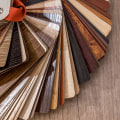
When it comes to selling a home, the flooring is often an overlooked aspect that can significantly influence a buyer's perception and the overall marketability of the property. Many homeowners focus on cosmetic upgrades like fresh paint or landscaping, but the type and condition of flooring can make or break a sale. In fact, potential buyers frequently assess the quality and style of flooring as they walk through a home, making it a critical factor in their decision-making process.Dark-colored hardwood floors, in particular, have emerged as a favorite among homebuyers for their ability to convey elegance and sophistication. These floors not only enhance the aesthetic appeal of a space but also create a sense of warmth and richness that lighter options may lack.
As trends in home design evolve, dark hardwood has maintained its status as a timeless choice that complements various interior styles, from modern to traditional.Moreover, the importance of flooring extends beyond mere aesthetics; it also plays a vital role in determining the resale value of a home. According to industry experts, homes featuring high-quality flooring options tend to sell faster and at higher prices compared to those with outdated or damaged floors. This correlation underscores the necessity for homeowners to invest wisely in their flooring choices, ensuring that they not only meet personal preferences but also align with market demands.In this article, we will delve deeper into how different flooring options impact resale value, with a particular focus on the advantages of dark-colored hardwood floors. By understanding these dynamics, homeowners can make informed decisions that enhance both their living experience and their investment potential.
Why Dark-Colored Hardwood Floors Stand Out
When it comes to flooring choices, dark-colored hardwood floors have emerged as a favorite among homebuyers for several compelling reasons.Their aesthetic appeal is undeniable, offering a sense of elegance and sophistication that can elevate the overall ambiance of any room.One of the primary benefits of dark floors is their ability to create a striking contrast with lighter walls and furnishings. This contrast not only enhances the visual interest of a space but also makes it feel more dynamic and inviting. Dark hardwood floors can serve as a stunning backdrop for various design elements, allowing furniture and decor to stand out while maintaining a cohesive look.Moreover, dark-colored hardwood floors are incredibly versatile. They complement a wide range of interior design styles, from contemporary and modern to traditional and rustic.
Whether your home features sleek, minimalist decor or rich, ornate furnishings, dark floors can seamlessly integrate into the overall design scheme. This adaptability makes them an attractive option for potential buyers who may have diverse tastes.In addition to their aesthetic advantages, dark hardwood floors also offer practical benefits. They are known for their durability and resistance to wear and tear, making them an excellent long-term investment. Darker shades tend to hide scratches and scuffs better than lighter options, which can be particularly appealing for families with children or pets.
This low-maintenance quality adds to their allure, as homeowners can enjoy beautiful flooring without the constant worry of upkeep.Furthermore, dark hardwood floors can create a warm and inviting atmosphere in any home. The rich tones evoke feelings of comfort and luxury, making spaces feel more intimate and welcoming. This emotional connection is crucial when it comes to buyer preferences; many individuals are drawn to homes that feel cozy and lived-in.Ultimately, the combination of aesthetic appeal, versatility, durability, and warmth makes dark-colored hardwood floors a standout choice in the competitive real estate market. By investing in this type of flooring, homeowners not only enhance their living spaces but also significantly increase their home's resale value.
The Psychology of Color in Flooring Choices
When it comes to flooring choices , the color of the material plays a crucial role in influencing potential buyers' perceptions and emotions.The psychology of color is a fascinating field that delves into how different hues can evoke specific feelings and reactions. Dark-colored hardwood floors, in particular, have a unique ability to create an atmosphere of warmth and sophistication, making them an attractive option for homeowners looking to maximize their resale value.Dark colors, such as deep browns and rich blacks, are often associated with elegance and luxury. These tones can transform a space, giving it a more polished and refined appearance. When potential buyers walk into a home with dark hardwood floors, they may subconsciously associate the color with high quality and durability.
This perception can significantly enhance their overall impression of the property.Moreover, dark flooring can create a sense of intimacy and coziness within a home. In contrast to lighter colors that may feel more open and airy, dark hues can make spaces feel more inviting and warm. This emotional response is particularly important during showings, as buyers are not just looking for a house; they are searching for a place that feels like home.Another psychological aspect to consider is how dark colors can serve as a backdrop for other design elements in the home. Dark hardwood floors provide a striking contrast to lighter walls and furnishings, allowing for greater flexibility in decor choices.
This versatility can appeal to buyers who want to envision their personal style within the space.Additionally, dark flooring tends to hide dirt and wear better than lighter options, which can be an attractive feature for busy families or individuals who prioritize low-maintenance living. This practical benefit further enhances the appeal of dark hardwood floors, making them not only aesthetically pleasing but also functional.In summary, understanding the psychology of color is essential when making flooring choices. Dark-colored hardwood floors evoke feelings of warmth, sophistication, and intimacy while providing practical advantages that resonate with potential buyers. By selecting flooring that aligns with these psychological principles, homeowners can significantly increase their chances of attracting buyers and achieving a higher resale value.
Quality Matters: Choosing the Right Hardwood
When it comes to selecting hardwood flooring, the quality of the wood is paramount.High-quality hardwood not only enhances the aesthetic appeal of your home but also significantly impacts its resale value. Buyers are often willing to pay a premium for homes that feature durable and visually appealing flooring. Therefore, understanding the different types of hardwood and their characteristics is essential for making an informed decision.
Types of Hardwood
- Oak: One of the most popular choices, oak is known for its strength and durability. It comes in two varieties: red and white, each offering unique grain patterns and colors.
Oak flooring can withstand heavy foot traffic, making it ideal for families.
- Maple: Maple hardwood is another excellent option, recognized for its fine, consistent grain and light color. It is harder than oak, which makes it resistant to scratches and dents. This durability makes maple a favorite for high-traffic areas.
- Cherry: Cherry wood is prized for its rich color that deepens over time. While it is softer than oak and maple, its unique appearance can add a touch of elegance to any room.
However, it may require more maintenance to keep it looking pristine.
- Walnut: Known for its luxurious dark tones and intricate grain patterns, walnut is a premium choice that can elevate the overall look of your home. Although it is softer than other hardwoods, its beauty often outweighs concerns about durability.
The Impact of Quality on Resale Value
Investing in high-quality hardwood flooring can yield significant returns when selling your home. According to industry experts, homes with premium hardwood floors can command higher prices due to their perceived value and longevity. Buyers are increasingly discerning about flooring options; they prefer materials that not only look good but also stand the test of time.Moreover, quality hardwood floors are easier to maintain and repair compared to lower-grade options.
This means that potential buyers will appreciate the reduced upkeep costs associated with high-quality materials. In contrast, cheaper alternatives may lead to concerns about durability and longevity, potentially deterring buyers.In conclusion, when selecting hardwood flooring, prioritize quality over cost. By choosing durable and aesthetically pleasing hardwood options, you not only enhance your living space but also maximize your home's resale value.
Staining and Finishing: Enhancing Dark Hardwood Floors
When it comes to staining hardwood floors, the right techniques can significantly enhance the beauty and appeal of dark hardwood. The finishing process not only protects the wood but also elevates its aesthetic, making it a crucial step in maximizing your home's resale value.Understanding Staining Techniques
- Oil-Based Stains: These stains penetrate deeply into the wood, providing a rich color and a durable finish.
They are ideal for dark hardwood floors as they enhance the natural grain and texture of the wood.
- Water-Based Stains: While these stains dry faster and have lower VOC emissions, they may not provide the same depth of color as oil-based options. However, they are easier to clean up and can be a great choice for those looking for a more eco-friendly option.
- Gel Stains: Gel stains are thicker and sit on top of the wood rather than soaking in. This makes them perfect for achieving an even color on uneven surfaces or woods with varying grain patterns.
Finishing Techniques to Consider
- Sanding: Proper sanding is essential before applying any stain. It smooths the surface and opens up the wood pores, allowing for better stain absorption.
Start with a coarse grit and gradually move to finer grits for a polished finish.
- Sealing: After staining, applying a sealant is crucial to protect the wood from moisture and wear. Polyurethane is a popular choice due to its durability and resistance to scratches.
- Topcoats: A final topcoat can add an extra layer of protection and shine. Options include satin, semi-gloss, or high-gloss finishes, each offering different levels of sheen that can enhance the overall look of your dark hardwood floors.
The Impact on Resale Value
A well-executed staining and finishing process can dramatically increase the appeal of your home to potential buyers. Dark hardwood floors that are beautifully stained and finished not only look luxurious but also convey a sense of care and maintenance that buyers appreciate.
Investing in quality staining products and professional finishing techniques can yield significant returns when it comes time to sell your home.In conclusion, enhancing dark hardwood floors through effective staining and finishing techniques is an investment worth making. By understanding the various options available and their impact on both aesthetics and value, homeowners can ensure their flooring remains a standout feature in their property.
Consistency in Flooring Choices Throughout Your Home
When it comes to enhancing the aesthetic appeal and resale value of your home, consistency in flooring choices plays a pivotal role. A cohesive flooring design not only elevates the overall look of your space but also creates a seamless flow that potential buyers find appealing. This section delves into the significance of maintaining uniformity in your flooring selections throughout your home.One of the primary benefits of consistent flooring is the visual continuity it provides.When different rooms feature varying types or colors of flooring, it can disrupt the visual flow and make spaces feel disjointed. For instance, transitioning from a dark hardwood floor in the living room to a light laminate in the kitchen can create an awkward contrast that detracts from the home's overall charm. Instead, opting for the same type of flooring—be it hardwood, tile, or luxury vinyl—throughout your home fosters a sense of harmony.Moreover, a unified flooring choice can enhance the perception of space. In smaller homes or apartments, consistent flooring can make areas appear larger and more open.
This is particularly important for buyers who may be looking for spaciousness in their new home. By eliminating visual barriers created by different flooring materials, you allow potential buyers to envision themselves living comfortably in your space.In addition to aesthetic benefits, maintaining consistent flooring choices can also positively impact buyer perception. Homebuyers often appreciate homes that are move-in ready and require minimal renovations. When they see a home with cohesive flooring, it signals that the owner has taken care to maintain and enhance the property.
This attention to detail can lead to higher offers and quicker sales.To achieve this consistency effectively, consider these tips:
- Select a Primary Flooring Material: Choose one type of flooring that suits your style and budget, and use it throughout most areas of your home.
- Use Area Rugs Wisely: If you want to add texture or color, consider using area rugs instead of changing the flooring material in different rooms.
- Maintain Color Harmony: If you do choose different materials for specific areas (like bathrooms or laundry rooms), ensure they complement each other in color and style.
Outdoor Flooring Options: Extending Value Beyond Interiors
When considering the overall value of a property, many homeowners often overlook the significance of outdoor flooring options. Just as interior flooring can enhance the aesthetic appeal and functionality of a home, quality outdoor flooring can transform exterior spaces into inviting areas that potential buyers will appreciate. Investing in durable and attractive outdoor materials not only elevates the look of your property but also contributes to its resale value.Among the most popular choices for outdoor flooring are stone and wood decking.Each option offers unique benefits that can cater to different tastes and preferences.
Stone Flooring
Stone flooring, such as slate, granite, or travertine, is renowned for its durability and timeless appeal. Here are some advantages of choosing stone for your outdoor spaces:- Longevity: Stone is incredibly resilient and can withstand harsh weather conditions, making it a long-term investment.
- Aesthetic Variety: Available in various colors and textures, stone can complement any architectural style, enhancing the overall curb appeal.
- Low Maintenance: Unlike wood, stone requires minimal upkeep, which is attractive to potential buyers looking for convenience.
Wood Decking
Wood decking remains a classic choice for outdoor areas, providing warmth and natural beauty. Here are some reasons why wood decking can be a valuable addition:- Natural Aesthetics: Wood offers a warm, inviting look that can create a cozy atmosphere in outdoor settings.
- Versatility: It can be used for various applications, including patios, pool decks, and garden walkways.
- Increased Living Space: A well-designed deck extends your living area outdoors, making it perfect for entertaining or relaxing.
For instance, adding a well-constructed deck can yield an ROI of around 70% to 80%, depending on the local market conditions.In conclusion, enhancing your outdoor spaces with quality flooring options like stone or wood decking not only improves the aesthetic appeal of your property but also plays a crucial role in maximizing its resale value. By investing in durable and attractive materials, you create inviting environments that resonate with potential buyers and elevate your home's overall marketability.
Calculating Return on Investment for Hardwood Floors
When considering the installation of dark hardwood floors, one of the most critical factors to evaluate is the return on investment (ROI). Understanding how much value these floors can add to your home is essential for making an informed decision. Numerous studies and reports have highlighted the financial benefits associated with investing in hardwood flooring, particularly darker shades that appeal to modern buyers.According to the National Association of Realtors, homeowners can expect to recoup approximately 147% of their costs when refinishing existing hardwood floors.This statistic underscores the importance of maintaining and upgrading your flooring, as it can significantly enhance your home's marketability. Furthermore, installing new hardwood floors can yield a return of around 118% , making it a wise investment for those looking to sell their property in the future.To put this into perspective, let’s break down some key financial considerations:
- Initial Costs: The average cost of installing dark hardwood floors ranges from $6 to $12 per square foot, depending on the type of wood and installation complexity.
- Long-Term Value: Dark hardwood floors not only elevate aesthetic appeal but also contribute to a higher resale value. Homes with high-quality flooring often sell faster and at a premium compared to those with less desirable options.
- Market Trends: Current real estate trends indicate that buyers are increasingly favoring homes with modern finishes, including dark hardwood floors. This shift in buyer preferences can lead to quicker sales and potentially higher offers.
Investing in high-quality materials and professional installation can further enhance your ROI. For instance, engineered hardwood may offer a more budget-friendly option while still providing excellent durability and aesthetic appeal.In conclusion, when weighing the costs versus the potential value added by dark hardwood floors, it becomes clear that this investment can yield significant financial returns. By choosing quality materials and ensuring proper installation, homeowners can maximize their resale value while enjoying the beauty and elegance that dark hardwood flooring brings to their living spaces.
Common Misconceptions About Dark-Colored Floors
When considering dark-colored hardwood floors, many potential buyers and homeowners harbor misconceptions that can cloud their judgment. Addressing these myths is essential for making informed decisions about flooring choices.Myth 1: Dark Floors Are Too High-Maintenance
One of the most prevalent misconceptions is that dark floors require more maintenance than lighter options.While it’s true that dark floors can show dust, pet hair, and scratches more readily, this does not mean they are inherently more difficult to maintain. Regular cleaning with a soft broom or vacuum and occasional mopping with a suitable hardwood floor cleaner can keep them looking pristine. Additionally, many modern finishes are designed to resist scratches and stains, making upkeep easier than ever.
Myth 2: Dark Floors Make a Space Feel Smaller
Another common belief is that dark-colored floors can make a room feel cramped or smaller. In reality, the effect of flooring color on space perception largely depends on the overall design and lighting of the room.Dark floors can create a striking contrast with lighter walls and furnishings, adding depth and sophistication to the space. When paired with adequate lighting—both natural and artificial—dark floors can enhance the ambiance rather than diminish it.
Myth 3: Dark Floors Are Only Suitable for Modern Homes
Some people think that dark hardwood floors are only appropriate for contemporary or modern home styles. This is far from the truth. Dark woods like walnut or espresso can complement various architectural styles, from traditional to rustic.The key is to balance the flooring with appropriate decor and furnishings that harmonize with the overall aesthetic of your home.
Myth 4: Dark Floors Show Wear and Tear More Easily
While it’s true that scratches and scuffs may be more visible on dark surfaces, this does not mean they wear out faster than lighter options. The durability of hardwood flooring depends more on the type of wood and finish rather than its color. Investing in high-quality materials will ensure longevity regardless of hue.Conclusion
Understanding these common misconceptions about dark-colored hardwood floors can help homeowners make better choices when selecting flooring for their spaces. By recognizing that maintenance is manageable, design versatility exists, and durability is not color-dependent, buyers can confidently embrace dark floors as a stylish and practical option for their homes.Conclusion: The Lasting Impact of Dark-Colored Hardwood Floors on Resale Value
In summary, the choice of flooring can significantly influence the resale value of your home, and dark-colored hardwood floors stand out as a premier option.Throughout this article, we have explored various aspects that contribute to the appeal of dark hardwood flooring, emphasizing its aesthetic versatility and timeless elegance.One of the most compelling reasons to invest in dark-colored hardwood is its ability to complement a wide range of interior design styles. Whether your home leans towards modern minimalism or classic sophistication, dark hardwood floors provide a rich backdrop that enhances the overall ambiance. This adaptability makes them particularly attractive to potential buyers who may have diverse tastes.Moreover, we discussed how the quality of the wood and the finish can elevate the flooring's appeal. High-quality materials not only ensure durability but also reflect a level of care and attention to detail that resonates with buyers.
When prospective homeowners see well-maintained dark hardwood floors, they are more likely to envision themselves living in the space, which can lead to quicker sales and potentially higher offers.Another critical point is the importance of consistency in flooring choices throughout your home. By maintaining a cohesive look with dark hardwood floors in key areas, you create a seamless flow that enhances the visual appeal of your property. This continuity can be a deciding factor for buyers who appreciate a well-thought-out design.Finally, it’s essential to remember that investing in dark-colored hardwood floors is not just about immediate aesthetics; it’s also about long-term value. The statistics speak for themselves: homeowners can expect substantial returns on their investment when they choose quality hardwood flooring.
With figures indicating returns as high as 147% for refinishing and 118% for new installations, it’s clear that this choice is financially sound.In conclusion, if you are looking to maximize your home’s resale value, investing in dark-colored hardwood floors is a strategic decision that pays off both aesthetically and financially. By choosing this elegant flooring option, you not only enhance your living space but also position your home favorably in the competitive real estate market.