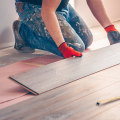
When it comes to renovating your home, one of the most significant decisions you'll face is selecting the right flooring. Understanding your personal needs and budget is crucial in making an informed choice that not only enhances the aesthetic appeal of your space but also meets practical requirements. With a plethora of options available, from luxurious hardwood to budget-friendly vinyl, it can be overwhelming to navigate through the choices. This is why taking the time to assess your specific needs is essential before diving into the selection process.First and foremost, consider the function of each room in your home.
High-traffic areas like hallways and living rooms may require more durable flooring options that can withstand wear and tear, while bedrooms might benefit from softer, more comfortable materials. Additionally, think about the climate in your region; for instance, moisture-resistant flooring is ideal for bathrooms and kitchens, whereas warmer climates may allow for more versatile choices. By identifying these factors, you can narrow down your options significantly.Budget is another critical aspect to consider when choosing flooring. While it might be tempting to opt for the cheapest option available, it's important to balance cost with quality.
Investing in flooring that offers durability and longevity can save you money in the long run by reducing replacement and maintenance costs. Fortunately, there are numerous affordable flooring solutions that do not compromise on style or functionality. From laminate and vinyl to ceramic tiles, understanding what fits within your financial plan will help you make a choice that aligns with both your aesthetic desires and practical needs.Ultimately, taking the time to understand your flooring needs will empower you to make a decision that enhances your home’s value and comfort. As we explore various budget-friendly flooring options in this article, keep in mind how each choice aligns with your lifestyle and financial goals.
This foundational understanding will guide you toward selecting a flooring solution that not only meets your immediate needs but also stands the test of time.
Cost-Effective Flooring Options
When it comes to renovating your home on a budget, choosing the right flooring can make a significant difference. Here are some of the most cost-effective flooring options that not only save you money but also enhance the aesthetic appeal of your space.Vinyl Flooring
Vinyl flooring is one of the most popular affordable flooring materials available today. It is made from synthetic materials, primarily polyvinyl chloride (PVC), which makes it both durable and water-resistant. Vinyl comes in various styles, including sheets, tiles, and planks, allowing homeowners to choose a look that fits their decor.- Cost: Vinyl flooring typically ranges from $1 to $5 per square foot, making it an economical choice.
- Installation: Many vinyl products are designed for easy DIY installation, requiring minimal tools and skills.
Some options even feature peel-and-stick backing for quick application.
- Maintenance: Vinyl is easy to clean and maintain, requiring only regular sweeping and occasional mopping.
Laminate Flooring
Another excellent option for budget-conscious homeowners is laminate flooring. This material mimics the appearance of hardwood or stone at a fraction of the cost.- Cost: Laminate flooring generally costs between $1 and $4 per square foot.
- Installation: Laminate features a click-lock design that allows for straightforward installation without glue or nails, making it ideal for DIY enthusiasts.
- Durability: Laminate is resistant to scratches and dents, making it suitable for high-traffic areas.
Carpet Tiles
If you're looking for warmth and comfort underfoot, consider carpet tiles. These modular pieces can be arranged in various patterns and are easy to replace if damaged.- Cost: Carpet tiles can range from $2 to $5 per square foot.
- Installation: They are simple to install; just peel off the backing and stick them down. This makes it easy to customize your space without professional help.
- Cleansing: Carpet tiles are easier to clean than traditional carpets since you can remove individual tiles for washing or replacement.
Each of these materials offers unique benefits that cater to different needs while keeping costs low. By selecting the right flooring, you can achieve a beautiful home without overspending.
Vinyl Flooring: A Budget-Friendly Choice
When it comes to flooring options that are both economical and practical, vinyl flooring stands out as a top contender. This versatile material offers numerous benefits that make it an attractive choice for homeowners looking to renovate their spaces without breaking the bank.Benefits of Vinyl Flooring
- Affordability: One of the most significant advantages of vinyl flooring is its cost-effectiveness. Compared to hardwood or tile, vinyl is generally much cheaper, making it an ideal option for budget-conscious homeowners.
- Durability: Vinyl flooring is designed to withstand heavy foot traffic and resist scratches, dents, and stains.
With proper care, it can last for many years, making it a wise investment.
- Water Resistance: Vinyl is inherently water-resistant, which makes it suitable for areas prone to moisture, such as kitchens and bathrooms. This feature helps prevent mold and mildew growth.
- Variety of Styles: Available in a wide range of colors, patterns, and textures, vinyl can mimic the appearance of more expensive materials like hardwood or stone, allowing homeowners to achieve their desired aesthetic without the hefty price tag.
Ease of Installation
Another appealing aspect of vinyl flooring is its straightforward installation process. Many types of vinyl flooring come in interlocking planks or sheets that can be easily laid over existing floors. This DIY-friendly feature means that homeowners can save on installation costs by tackling the project themselves.
For those who prefer a more traditional approach, adhesive-backed vinyl sheets are also available, requiring minimal tools and expertise.
Vinyl vs. Other Flooring Materials
When comparing vinyl to other flooring options, several factors come into play:
- Vinyl vs. Hardwood: While hardwood offers timeless beauty and durability, it comes with a higher price tag and requires more maintenance. Vinyl provides a similar aesthetic at a fraction of the cost and with less upkeep.
- Vinyl vs.
Tile:
Ceramic or porcelain tiles are durable but can be cold and hard underfoot. Vinyl flooring offers a softer feel and is warmer to walk on while still being resistant to moisture. - Vinyl vs. Carpet: Carpeting may be comfortable but often requires more frequent cleaning and can harbor allergens. Vinyl is easier to clean and maintain, making it a healthier choice for many households.
Its ease of installation further enhances its appeal as a budget-friendly flooring solution for any home renovation project.
Laminate Flooring: Style Meets Affordability
When considering flooring options that balance style and affordability, laminate flooring stands out as a popular choice among homeowners. This versatile material mimics the appearance of hardwood, tile, or stone while offering a more budget-friendly price point.Pros of Laminate Flooring
- Cost-Effective: Laminate flooring is significantly cheaper than traditional hardwood, making it an attractive option for those on a budget.
- Easy Installation: Many laminate products feature a click-lock design, allowing for straightforward installation without the need for glue or nails. This DIY-friendly aspect can save you money on professional installation costs.
- Durability: Laminate is resistant to scratches, dents, and fading, making it suitable for high-traffic areas in your home.
- Variety of Styles: Available in numerous colors and patterns, laminate can replicate the look of various materials, allowing you to achieve your desired aesthetic.
- Low Maintenance: Cleaning laminate floors is simple; regular sweeping and occasional damp mopping are usually sufficient to keep them looking great.
Cons of Laminate Flooring
- Less Authentic Feel: While laminate can mimic the look of hardwood, it may lack the warmth and texture that real wood provides.
- Sensitivity to Moisture: Laminate is not waterproof; excessive moisture can cause warping or damage. It’s best suited for dry areas or spaces with minimal humidity.
- Limited Lifespan: Although durable, laminate typically has a shorter lifespan compared to hardwood floors, often lasting around 15-25 years with proper care.
Installation Tips for Laminate Flooring
If you decide to install laminate flooring yourself, consider these tips:
- Acclimate the Material: Allow your laminate planks to acclimate in the room where they will be installed for at least 48 hours before beginning the installation process.
This helps prevent expansion or contraction after installation.
- Prepare the Subfloor: Ensure that your subfloor is clean, dry, and level. Any imperfections can affect the final appearance and durability of your laminate flooring.
- Use Underlayment: Installing an underlayment can provide cushioning and sound absorption while also helping to protect against moisture.
- Follow Manufacturer Instructions: Each laminate product may have specific installation guidelines; always refer to these instructions for best results.
Laminates vs. Hardwood
The choice between laminate and hardwood often comes down to personal preference and budget. While hardwood offers timeless beauty and longevity, it comes with a higher price tag and requires more maintenance.
In contrast, laminate provides a similar aesthetic at a fraction of the cost but may not deliver the same level of authenticity or durability over time. Ultimately, evaluating your lifestyle needs and budget will help you make the best decision for your home.
Carpet: Comfort on a Budget
When it comes to flooring options that combine comfort and affordability, carpet stands out as a popular choice for many homeowners. With a wide variety of styles, colors, and materials available, carpets can enhance the aesthetic appeal of any room while providing a cozy atmosphere.Types of Affordable Carpet Options
- Berber Carpet: Known for its durability and resistance to stains, Berber carpet is made from looped fibers that create a textured surface. This type is ideal for high-traffic areas and is often available at budget-friendly prices.
- Frieze Carpet: With its twisted fibers, frieze carpet offers a casual look and is soft underfoot.
It’s also great at hiding footprints and vacuum marks, making it a practical choice for busy households.
- Saxony Carpet: This plush option provides a luxurious feel but can be more expensive. However, you can find Saxony carpets in budget ranges if you shop around.
- Cut Pile Carpet: This type features cut fibers that create a soft surface. It’s available in various styles and colors, making it versatile for different decor themes.
Carpet Installation Guide
Installing carpet can be a DIY project if you’re handy, but it’s essential to follow some basic steps:
- Preparation: Clear the room of furniture and remove any old flooring. Ensure the subfloor is clean and dry.
- Measure: Accurately measure the room to determine how much carpet you need.
Always add extra for mistakes or irregular shapes.
- Cutting: Lay the carpet out in the room and cut it to fit, leaving some excess around the edges.
- Installation: Use double-sided tape or adhesive to secure the carpet in place. If using tack strips, stretch the carpet over them and trim excess material.
- Finishing Touches: Reinstall baseboards and move furniture back into place once the carpet is laid.
Carpet Maintenance Tips
To keep your carpet looking fresh and new, regular maintenance is key:
- Vacuum Regularly: Aim to vacuum at least once a week to remove dirt and debris that can wear down fibers.
- Spot Clean Stains: Address spills immediately with a clean cloth and mild detergent to prevent stains from setting in.
- Professional Cleaning: Consider having your carpets professionally cleaned every 12-18 months to maintain their appearance and longevity.
- Avoid Excessive Moisture: Keep carpets dry to prevent mold growth; use fans or dehumidifiers in damp areas.
Tile Flooring: Durability and Design at a Low Cost
When considering flooring options that combine durability and aesthetic appeal without breaking the bank, tile flooring stands out as a top contender. Available in a variety of materials, colors, and designs, tile can suit any style preference while providing a long-lasting solution for your home.Affordable Tile Options
- Ceramic Tiles: These are among the most popular and cost-effective choices. Ceramic tiles are made from natural clay and are available in glazed and unglazed varieties.
They are resistant to moisture, making them ideal for kitchens and bathrooms.
- Porcelain Tiles: A subtype of ceramic, porcelain tiles are denser and more durable. They can mimic the look of natural stone or wood at a fraction of the cost. While slightly more expensive than standard ceramic tiles, their durability often justifies the investment.
- Vinyl Tiles: For those on a tighter budget, vinyl tiles offer an affordable alternative. They come in various designs and can replicate the appearance of more expensive materials like stone or hardwood.
Tile Installation Process
The installation of tile flooring can be a rewarding DIY project if you have some basic skills.
Here’s a simplified overview of the process:
- Preparation: Start by ensuring that your subfloor is clean, dry, and level. Any imperfections should be addressed to prevent issues later on.
- Layout: Plan your tile layout before starting. This helps minimize cuts and ensures a balanced look. Use chalk lines to mark guidelines on the floor.
- Adhesive Application: Apply thin-set mortar using a notched trowel.
Work in small sections to prevent the adhesive from drying out before you place the tiles.
- Tile Placement: Begin laying tiles from the center of the room or your chosen starting point. Press each tile firmly into the adhesive and use spacers to maintain even gaps for grout.
- Grouting: Once the tiles are set, allow them to cure for 24 hours before applying grout. Fill the gaps between tiles with grout using a rubber float, then wipe off excess with a damp sponge.
Tile Maintenance Tips
Maintaining tile flooring is relatively straightforward, but following these tips can help prolong its life:
- Regular Cleaning: Sweep or vacuum regularly to remove dirt and debris that can scratch the surface. Mop with a mild detergent to keep tiles looking fresh.
- Avoid Harsh Chemicals: Steer clear of abrasive cleaners that can damage the finish of your tiles.
Instead, opt for pH-neutral cleaners designed for tile surfaces.
- Seal Grout Lines: To prevent staining and moisture penetration, consider sealing grout lines every few years. This will help maintain their appearance and durability.
DIY vs Professional Installation: What You Need to Know
When it comes to flooring installation, homeowners often face a crucial decision: should they tackle the project themselves or hire a professional? Both options have their merits and drawbacks, and understanding these can help you make an informed choice that aligns with your budget and skill level.DIY Flooring Installation Tips
- Assess Your Skills: Before diving into a DIY project, evaluate your comfort level with tools and home improvement tasks. If you have experience with basic carpentry or home repairs, you may find flooring installation manageable.
- Choose the Right Material: Some flooring materials are more DIY-friendly than others.
For instance, vinyl planks and laminate flooring often come with click-lock systems that make installation straightforward. In contrast, materials like tile or hardwood may require more advanced skills.
- Gather the Right Tools: Ensure you have all necessary tools before starting. Common tools include a utility knife, measuring tape, straight edge, and a mallet for tapping planks into place.
- Follow Manufacturer Instructions: Each flooring type has specific installation guidelines. Adhering to these instructions can prevent costly mistakes and ensure a successful outcome.
- Take Your Time: Rushing through the installation can lead to errors.
Allow yourself ample time to complete the project, especially if it’s your first attempt.
Professional Flooring Services
If DIY isn’t your style or if the project feels overwhelming, hiring professionals can be a wise investment. Here are some reasons to consider professional services:
- Expertise: Professionals bring years of experience and knowledge to the table. They can handle complex installations that require precision, such as intricate tile patterns or uneven subfloors.
- Time-Saving: A professional team can complete the job much faster than most homeowners could on their own, allowing you to enjoy your new floors sooner.
- Warranty and Guarantees: Many professional services offer warranties on their work, providing peace of mind that any issues will be addressed without additional costs.
Cost Comparison: DIY vs Professional
The cost of flooring installation can vary significantly between DIY and professional services. While DIY may save on labor costs, it’s essential to factor in potential expenses such as:
- Tools and Materials: If you don’t already own the necessary tools, purchasing or renting them can add to your overall costs.
- Mistakes: Errors during installation can lead to wasted materials and additional expenses for corrections.
Ultimately, weighing these factors against your budget and skill level will guide you toward the best decision for your flooring project.
Tips for Saving Money on Flooring Projects
When it comes to flooring projects, saving money while achieving a beautiful result is entirely possible with the right strategies. Here are some practical tips to help you keep your flooring costs down without compromising on quality.- Research and Compare Prices: Before making any purchases, take the time to research different flooring options and compare prices from various retailers. Online platforms often provide a wealth of information, including customer reviews and price comparisons, which can help you make informed decisions.
- Look for Sales and Discounts: Many flooring retailers offer seasonal sales, clearance events, or special promotions. Sign up for newsletters or follow your favorite stores on social media to stay updated on upcoming deals.
Additionally, consider shopping during off-peak seasons when demand is lower, as prices may be more competitive.
- Consider Alternative Materials: While hardwood and high-end tiles can be appealing, there are budget-friendly alternatives that can still provide a stylish look. Options like laminate, vinyl planks, or even polished concrete can offer durability and aesthetic appeal at a fraction of the cost.
- DIY Installation: If you're handy or willing to learn, consider installing the flooring yourself. Many modern flooring products are designed for easy installation, allowing homeowners to save significantly on labor costs. There are numerous online tutorials and resources available to guide you through the process.
- Utilize Leftover Materials: If you have leftover flooring materials from previous projects, consider using them in your new renovation.
This not only saves money but also promotes sustainability by reducing waste.
- Negotiate with Suppliers: Don’t hesitate to negotiate prices with suppliers or ask for bulk discounts if you're purchasing large quantities. Many retailers are willing to work with customers to secure a sale.
- Check for Local Grants or Assistance Programs: Some local governments or organizations offer grants or assistance programs for home renovations that include flooring upgrades. Research available programs in your area that may help offset costs.
Conclusion: Making the Right Choice for Your Home's Flooring
Choosing the right flooring for your home is a significant decision that can impact both your budget and the overall aesthetic of your space.Throughout this article, we have explored various affordable flooring options, each with its unique benefits and considerations. From vinyl sheets to laminate, and from carpet to concrete, understanding the pros and cons of each material is essential in making an informed choice.When considering cost-effective flooring solutions, it’s crucial to evaluate not only the initial expense but also the long-term durability and maintenance requirements. For instance, while vinyl sheets may offer a low upfront cost, their longevity and ease of installation can make them a wise investment for many homeowners. Similarly, polished concrete floors provide a durable option that can last for decades with minimal upkeep.Moreover, personal lifestyle and usage patterns should guide your decision.
If you have pets or children, you might prioritize materials that are easy to clean and resistant to wear and tear. In contrast, if comfort is your primary concern, opting for carpet or cushioned vinyl could enhance your living experience.Ultimately, the best flooring choice will align with your specific needs, preferences, and budget constraints. Take the time to research different materials, consider DIY installation options to save on labor costs, and don’t hesitate to seek professional advice when necessary. By carefully weighing these factors, you can find a flooring solution that not only fits your financial plan but also enhances the beauty and functionality of your home.In conclusion, investing in the right flooring is not just about aesthetics; it’s about creating a comfortable and practical environment for you and your family.
With the right information at hand, you can confidently choose a flooring option that meets your needs without breaking the bank.