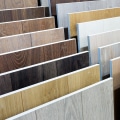
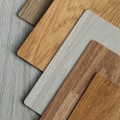
When it comes to enhancing your home’s appeal and adding value, When it comes to enhancing your home’s appeal and adding value, flooring plays a pivotal role that often goes overlooked. Many homeowners focus on cosmetic upgrades like fresh paint or landscaping, but the foundation beneath their feet can significantly influence a buyer's perception and willingness to pay. The right flooring not only elevates the aesthetic of your home but also serves as a functional element that can either attract or deter potential buyers.Investing in quality flooring is more than just a design choice; it’s a strategic decision that can yield substantial returns when it comes time to sell. Real estate experts consistently emphasize that homes with well-maintained, attractive flooring tend to sell faster and at higher prices.
This is particularly true for materials like hardwood, which are often associated with luxury and durability. Buyers are increasingly discerning, and they recognize the value of high-quality flooring as an indicator of overall home maintenance and care.Moreover, the type of flooring you choose can set the tone for your entire home. For instance, sleek, modern tiles in the kitchen can create a contemporary feel, while warm hardwood in the living areas can evoke comfort and elegance. Each flooring option tells a story about your home’s character and style, making it essential to select materials that resonate with potential buyers’ preferences.In summary, understanding the importance of flooring in relation to home resale value is crucial for any homeowner looking to maximize their investment.
As we delve deeper into this topic, we will explore various flooring options that not only enhance your living space but also significantly boost your home's marketability.
Top Flooring Options to Consider
When it comes to selecting the right flooring for your home, understanding the various options available is crucial. Each type of flooring has its unique benefits, aesthetics, and potential impact on your home's resale value. Here’s a closer look at some of the top flooring options that can enhance your home’s appeal and increase its market value.- Hardwood Flooring: Renowned for its timeless beauty and durability, hardwood flooring remains a top choice among homeowners. It not only adds warmth and character to any space but also has a high return on investment (ROI).
According to real estate experts, installing hardwood floors can yield an ROI of up to 106%. Available in various species such as oak, maple, and cherry, hardwood can complement any interior design style.
- Engineered Wood: For those who love the look of hardwood but need a more moisture-resistant option, engineered wood is an excellent alternative. Composed of multiple layers of wood veneer, it offers the same aesthetic appeal as solid hardwood while being less susceptible to warping. This makes it ideal for areas with fluctuating humidity levels.
- Laminated Flooring: If budget constraints are a concern, laminate flooring provides an affordable solution that mimics the appearance of real wood.
With advancements in technology, modern laminate floors come in a variety of styles and finishes that closely resemble natural wood grains. They are also highly durable and resistant to scratches and stains, making them suitable for high-traffic areas.
- Luxury Vinyl Plank (LVP): Luxury vinyl plank is another versatile option that combines aesthetics with practicality. It is waterproof, making it perfect for kitchens and bathrooms where moisture is prevalent. LVP is available in numerous designs that replicate the look of hardwood or stone, providing homeowners with a stylish yet functional flooring solution.
- Tile Flooring: Ceramic or porcelain tiles are excellent choices for areas prone to moisture, such as bathrooms and kitchens.
They are incredibly durable and easy to clean, which appeals to many buyers. Additionally, tile comes in various colors and patterns, allowing homeowners to customize their spaces according to their preferences.
Hardwood Flooring: The Gold Standard
When it comes to flooring options that can significantly enhance the resale value of a home, hardwood flooring stands out as the gold standard. Its timeless appeal, coupled with its durability and versatility, makes it a favorite among homeowners and potential buyers alike.Timeless Appeal
One of the most compelling reasons to choose hardwood flooring is its classic aesthetic.
The natural beauty of wood grain adds warmth and character to any space, making it an attractive feature for prospective buyers. Whether your home has a traditional or modern design, hardwood floors can seamlessly integrate into various styles, enhancing the overall ambiance.
Durability and Longevity
Hardwood floors are renowned for their durability. When properly maintained, they can last for decades, even centuries. This longevity not only provides homeowners with a lasting investment but also appeals to buyers who appreciate low-maintenance options.
Unlike carpets or laminate, which may need frequent replacement, hardwood can be refinished multiple times to restore its original luster, making it a sustainable choice.
Return on Investment (ROI)
The financial benefits of installing hardwood flooring cannot be overstated. According to various real estate studies, homeowners can expect to recoup approximately 106% of their investment when they install new hardwood floors before selling their homes. This impressive ROI is attributed to the high demand for hardwood among buyers, who often view it as a premium feature that enhances the overall value of a property.Moreover, homes with hardwood flooring tend to sell faster than those with other types of flooring. The appeal of hardwood can create a competitive edge in the real estate market, attracting more potential buyers and leading to quicker sales.
Conclusion
In summary, hardwood flooring is not just an aesthetic choice; it is a strategic investment that pays off in both immediate and long-term benefits.
Its timeless beauty, exceptional durability, and high return on investment make it an ideal option for homeowners looking to boost their home's resale value.
Engineered Wood: A Versatile Alternative
When considering flooring options that enhance both the aesthetic appeal and functionality of a home, engineered wood flooring emerges as a compelling choice. This versatile alternative to solid hardwood offers a unique blend of beauty and practicality, making it an attractive option for homeowners looking to boost their property’s resale value.Advantages of Engineered Wood
- Moisture Resistance: One of the standout features of engineered wood is its superior resistance to moisture. Unlike solid hardwood, which can warp or swell in humid conditions, engineered wood is constructed with multiple layers of wood veneer, making it less susceptible to changes in humidity. This characteristic makes it an ideal choice for areas prone to moisture, such as kitchens and basements.
- Cost-Effectiveness: Engineered wood typically comes at a lower price point than solid hardwood while still providing a similar aesthetic.
This affordability allows homeowners to achieve the look of genuine wood without breaking the bank, making it a smart investment for those looking to enhance their home’s value.
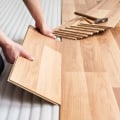
- Easy Installation: Engineered wood flooring is often designed for easy installation, with many products featuring click-lock systems that allow for straightforward DIY projects. This ease of installation can save homeowners both time and money on labor costs.
- Diverse Aesthetic Options: Available in a wide range of styles, colors, and finishes, engineered wood can mimic the appearance of various hardwood species. This versatility enables homeowners to select a design that complements their existing decor while appealing to potential buyers.
Engineered vs. Solid Wood
While both engineered and solid wood flooring have their merits, understanding the differences can help homeowners make informed decisions.
Solid wood is made from a single piece of timber, offering unmatched authenticity and durability. However, it is more vulnerable to environmental factors like humidity and temperature fluctuations.On the other hand, engineered wood combines layers of real wood with high-quality plywood or fiberboard, resulting in a product that retains the beauty of natural wood while enhancing stability and moisture resistance. For homeowners in regions with fluctuating climates or those looking to install flooring in moisture-prone areas, engineered wood presents a practical solution without sacrificing style.In summary, engineered wood flooring stands out as a versatile alternative that balances aesthetic appeal with practical advantages. Its moisture resistance, cost-effectiveness, ease of installation, and diverse design options make it an excellent choice for homeowners aiming to increase their home’s resale value while enjoying the timeless beauty of wood flooring.
Luxury Vinyl Flooring: Affordable Elegance
When it comes to flooring options that combine style, durability, and affordability, luxury vinyl flooring stands out as a top contender.This innovative flooring solution has gained immense popularity among homeowners looking to enhance their living spaces without breaking the bank. Luxury vinyl is designed to mimic the appearance of natural materials such as hardwood, stone, or tile, providing an elegant aesthetic that can elevate any room.One of the primary benefits of luxury vinyl flooring is its remarkable durability. Unlike traditional hardwood or tile, luxury vinyl is resistant to scratches, dents, and stains, making it an ideal choice for high-traffic areas in your home. Whether you have children running around or pets that love to play indoors, luxury vinyl can withstand the wear and tear of daily life while maintaining its beautiful appearance.In addition to its durability, luxury vinyl is also incredibly easy to maintain.
Regular sweeping and occasional mopping are usually all that’s needed to keep it looking pristine. This low-maintenance aspect is particularly appealing for busy families or individuals who prefer spending their time enjoying their home rather than cleaning it.Another significant advantage of luxury vinyl flooring is its affordability. Compared to traditional hardwood or natural stone options, luxury vinyl offers a similar aesthetic at a fraction of the cost. This makes it an excellent choice for homeowners looking to increase their home’s resale value without overspending on renovations.When comparing vinyl vs laminate , it's essential to consider the unique features each option offers.
While both materials are designed to be budget-friendly and visually appealing, luxury vinyl typically provides better water resistance and durability than laminate. This makes luxury vinyl a superior choice for areas prone to moisture, such as kitchens and bathrooms.In summary, luxury vinyl flooring presents an attractive blend of elegance and practicality. Its ability to mimic natural materials while offering exceptional durability and ease of maintenance makes it a smart investment for homeowners looking to boost their property’s appeal and value.
Laminate Flooring: Budget-Friendly Option with Style
When it comes to enhancing your home’s aesthetic without breaking the bank, laminate flooring stands out as a top contender. This versatile flooring option mimics the appearance of natural wood while offering a range of styles and finishes that can suit any interior design.With advancements in technology, laminate floors now boast realistic textures and patterns that can easily fool the eye, making them an attractive choice for homeowners looking to elevate their space.One of the most significant advantages of laminate flooring is its cost-effectiveness. Compared to traditional hardwood, laminate is typically much more affordable, allowing homeowners to achieve a high-end look without the hefty price tag. For those on a budget, laminate provides an excellent alternative that doesn’t compromise on style or durability.
Durability and Maintenance
Laminate flooring is designed to withstand the rigors of daily life. Its surface is resistant to scratches, stains, and fading, making it an ideal choice for high-traffic areas such as living rooms, kitchens, and hallways.Additionally, laminate is easy to clean; a simple sweep or mop is often all that’s needed to keep it looking fresh. This low-maintenance aspect is particularly appealing for busy families or pet owners who require a durable flooring solution.
Laminate vs. Hardwood: Making the Right Choice
While both laminate and hardwood have their merits, the decision often comes down to personal preference and budget constraints.Hardwood flooring
offers timeless beauty and can increase your home’s resale value significantly.However, it requires more maintenance and can be susceptible to scratches and water damage if not properly cared for.On the other hand, laminate provides a similar aesthetic with added resilience against wear and tear. It’s also less sensitive to humidity changes, making it suitable for various environments within the home. For homeowners who desire the look of wood but need a more practical solution, laminate flooring is an excellent choice.
A Variety of Styles
The variety available in laminate flooring is another reason for its popularity. From rich oak tones to sleek modern finishes, there’s a style to match every taste.Homeowners can choose from different plank sizes and textures, allowing for customization that fits their unique vision.In conclusion, laminate flooring serves as a cost-effective flooring option that combines style with practicality. Its durability, ease of maintenance, and wide range of designs make it an appealing choice for those looking to enhance their home without overspending. Whether you’re renovating or simply updating your space, consider laminate as a viable option that delivers both beauty and functionality.
Waterproof Flooring: Ideal for Moisture-Prone Areas
When it comes to selecting flooring for moisture-prone areas such as kitchens, bathrooms, and laundry rooms, waterproof flooring emerges as a top contender. These floors not only provide a practical solution to combat humidity and spills but also enhance the overall aesthetic of your home.One of the most significant advantages of waterproof flooring is its ability to resist water damage, which can lead to costly repairs and replacements.Traditional flooring options like hardwood or carpet can warp, stain, or develop mold when exposed to moisture. In contrast, waterproof materials are designed to withstand these conditions, making them ideal for high-traffic and wet areas.
Best Waterproof Flooring Options
- Luxury Vinyl Plank (LVP): This option mimics the look of natural wood or stone while offering superior water resistance. LVP is available in various styles and colors, allowing homeowners to achieve their desired aesthetic without sacrificing durability.
- Tile: Ceramic and porcelain tiles are inherently waterproof and come in a wide range of designs. They are perfect for bathrooms and kitchens due to their easy maintenance and resistance to stains.
- Waterproof Laminate: Unlike traditional laminate, which can be damaged by moisture, waterproof laminate features a special coating that protects against spills.
This option combines the look of wood with enhanced durability.
- Engineered Wood: While not entirely waterproof, engineered wood is more resistant to moisture than solid hardwood. Its layered construction allows it to handle humidity better, making it suitable for areas with occasional moisture exposure.
This combination of safety and style makes waterproof flooring an excellent investment for any homeowner looking to boost their property’s resale value.Ultimately, selecting the right moisture-resistant floors can significantly enhance both the functionality and appeal of your home. By choosing materials that withstand the rigors of daily life while maintaining an attractive appearance, you can create spaces that are not only beautiful but also practical for years to come.
Choosing the Right Flooring for Your Home's Style
When it comes to enhancing your home’s aesthetic appeal and overall value, choosing the right flooring is crucial. The flooring you select should not only be functional but also harmonize with your home’s decor and architectural style. Here are some key considerations to help you make an informed decision.Understanding Your Home's Style
- Traditional Homes: If your home features classic architecture, such as Colonial or Victorian styles, consider rich hardwood floors.
These can add warmth and elegance, complementing intricate moldings and traditional furnishings.
- Modern Homes: For contemporary spaces, sleek options like polished concrete or large-format tiles can create a clean, minimalist look. Engineered wood with a matte finish can also work well, providing a modern twist on classic materials.
- Rustic Homes: If your home has a farmhouse or rustic vibe, distressed wood or reclaimed barn wood flooring can enhance the cozy atmosphere. These materials add character and charm, making them perfect for such settings.
Matching Flooring with Home Decor
Your flooring should serve as a foundation that ties together your interior design elements. Consider the following:
- Color Palette: Choose flooring that complements your existing color scheme.
Lighter floors can make a space feel larger and more open, while darker floors can add depth and sophistication.
- Texture: The texture of your flooring can influence the overall feel of a room. Smooth finishes may suit modern designs, while textured surfaces can enhance a more traditional or rustic decor.
- Room Functionality: Think about how each room will be used. For high-traffic areas like hallways and living rooms, durable options like luxury vinyl or laminate may be ideal, while softer materials like carpet could work well in bedrooms.
Cohesive Design Choices
A cohesive design throughout your home is essential for creating a harmonious environment. Here are some tips:
- Consistent Flooring: Using the same type of flooring throughout open-concept spaces can create flow and unity.
If you prefer different materials in separate areas, ensure they complement each other in color and style.
- Transitional Spaces: In areas where different flooring types meet, consider using transition strips that match the color of both materials to create a seamless look.
- Area Rugs: In spaces with hard flooring, area rugs can add warmth and define different areas within an open layout while also providing an opportunity to introduce patterns and colors that enhance your decor.
Common Mistakes to Avoid When Choosing Flooring
Choosing the right flooring for your home is a significant decision that can impact both your living experience and your home's resale value. However, many homeowners fall into common traps that can lead to costly mistakes. Here are some of the most frequent errors to avoid when selecting flooring:- Ignoring the Room's Functionality: Each room in your home serves a different purpose, and the flooring should reflect that.
For instance, high-traffic areas like hallways and living rooms require durable materials, while bathrooms and kitchens need moisture-resistant options. Failing to consider the specific needs of each space can lead to premature wear and tear.
- Overlooking Maintenance Requirements: Different flooring types come with varying levels of maintenance. While hardwood floors may offer timeless beauty, they require regular upkeep to maintain their appearance. On the other hand, laminate and luxury vinyl are often easier to clean and maintain.
Be sure to choose a flooring option that fits your lifestyle and willingness to perform maintenance.
- Choosing Style Over Substance: While aesthetics are important, prioritizing style without considering durability can be a mistake. A beautiful floor that cannot withstand daily use will not only diminish in appearance but may also require replacement sooner than expected. Always balance style with practicality.
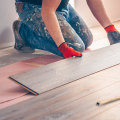
- Neglecting Installation Quality: Poor installation can ruin even the best flooring materials. Whether you opt for DIY or hire professionals, ensure that the installation is done correctly.
Improperly installed floors can lead to issues like warping, gaps, or uneven surfaces, which can detract from both functionality and appearance.
- Not Considering Resale Value: Flooring choices should be made with an eye toward future resale value. While you may love a bold pattern or color, it might not appeal to potential buyers. Neutral colors and classic styles tend to have broader appeal and can enhance your home's marketability.
- Failing to Test Samples: Before committing to a flooring type, always request samples and test them in your home environment. Lighting conditions and existing decor can significantly affect how a floor looks in your space.
This step helps ensure that you are satisfied with your choice before making a financial commitment.
<strong>Conclusion</strong>: Making Informed Flooring Choices for Resale Value
In conclusion, selecting the right flooring can significantly influence your home's resale value. As we've explored, various flooring options come with their own set of advantages and potential drawbacks. Understanding these can empower homeowners to make informed decisions that not only enhance their living space but also appeal to future buyers.When considering flooring, it’s essential to prioritize quality and durability.High-quality materials like solid hardwood and engineered wood not only provide aesthetic appeal but also stand the test of time, making them attractive to prospective buyers. Additionally, the return on investment for these types of flooring is often substantial, with many homeowners recouping their costs upon sale.Moreover, it’s crucial to consider the specific needs of your home and its environment. For instance, areas prone to moisture, such as kitchens and bathrooms, benefit from waterproof options like luxury vinyl or tile. These materials not only resist water damage but also offer a stylish look that can elevate the overall design of your home.Another important factor is consistency in flooring throughout your home.
Maintaining a uniform look can create a sense of flow and cohesion that appeals to buyers. Avoiding mismatched flooring types in adjacent spaces can prevent potential buyers from feeling disoriented or put off by abrupt changes in style.Ultimately, the key to maximizing your home's resale value lies in making thoughtful choices that align with current market trends while also reflecting your personal style. By investing in quality flooring options that are both functional and visually appealing, you can create a welcoming atmosphere that resonates with potential buyers.As you embark on your flooring journey, remember to conduct thorough research and consult with professionals when necessary. This approach will ensure that you choose the best flooring solutions tailored to your home’s unique characteristics and market demands.